
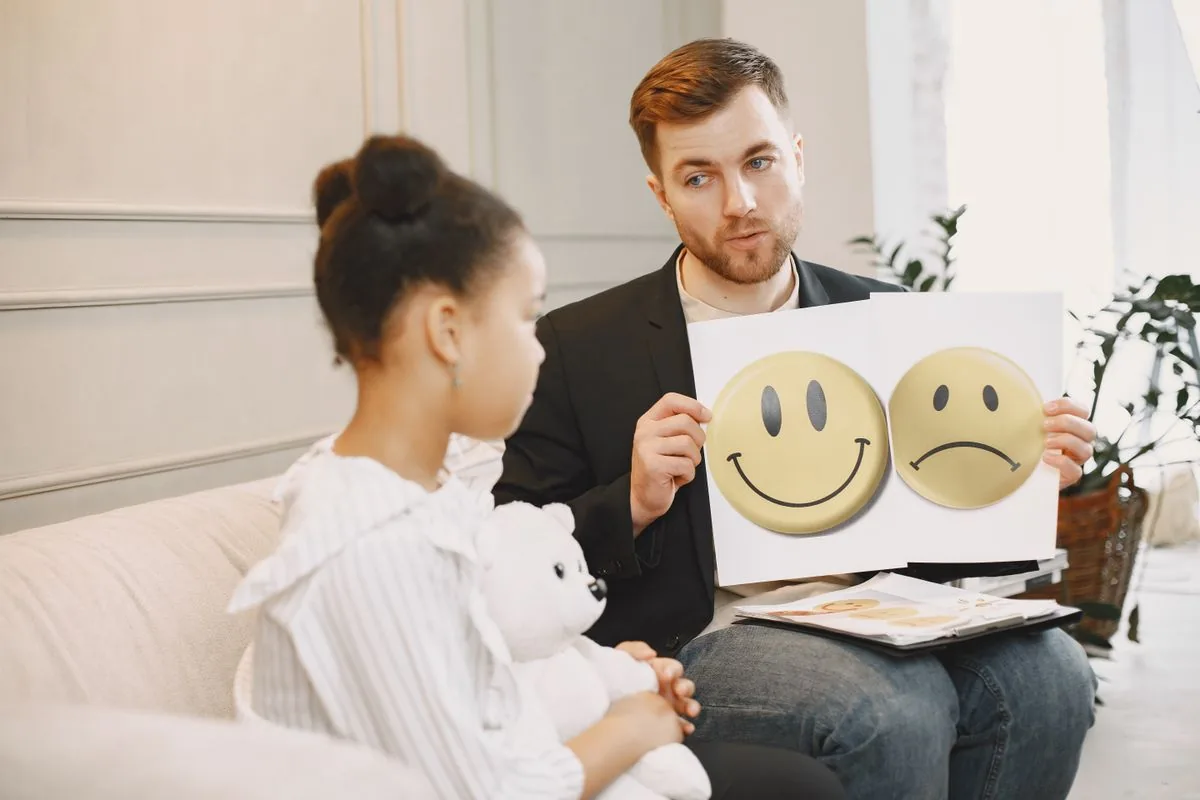
At the year-three parents' meeting they put it kindly: the boy is bright, but he drifts off, he does not finish his work and reading costs him more than it should. At home you had already noticed, though you did not know what to call it. Once you reach that point, the next step is not guesswork: it is measurement. That is what neuropsychology does.
At Clínica Eupnea, in Palamós (Baix Empordà), the psychology service welcomes Sra. Miruna Mihaila, psychologist and neuropsychologist. Her areas are neuropsychology and neuropsychological assessments — including those for children — geriatric psychology, autism (ASD) and ADHD, couples therapy and child therapy. Five different ways in; here is what lies behind each one.
In this article
- What neuropsychology is and how it differs
- Child neuropsychological assessment: when to ask for one
- What an assessment looks like, step by step
- Autism (ASD) and ADHD
- Child therapy: how we work with children
- Geriatric psychology: memory, retirement and carers
- Couples therapy
- Who will see you at Clínica Eupnea
- Frequently asked questions
Key points
- Neuropsychology measures how attention, memory, language and executive functions work, and links them to behaviour and learning
- A child neuropsychological assessment explains why something is hard, not just that it is
- For ADHD and ASD, the assessment gathers information from home and from school before drawing conclusions
- Geriatric psychology helps tell age-related forgetting from cognitive decline and supports the carer
- Child therapy works with the child and the parents at the same time: without them, changes at home do not hold
- Couples therapy starts with both partners in the room and focuses on the relationship, not on assigning blame
What neuropsychology is and how it differs from psychology
Classic psychology deals mainly with what you feel and what you do: anxiety, sadness, conflict, habits. Neuropsychology looks one layer down and asks how the tools the brain works with are functioning: attention, working memory, the speed at which you process information, language, reading and writing, and executive functions — planning, getting a task started, switching strategy, holding back an impulse.
The practical difference is this: faced with a child who never finishes his homework, the psychological view asks whether there is a lack of motivation or some worry, while the neuropsychological view asks whether the problem is sustaining attention, whether he is too slow to copy from the board, or whether what fails is getting organised. Often the answer is a mix of the two, which is why they are explored together. The tests used are standardised: they do not compare the child with his brother or the boy next door, but with hundreds of children of the same age.
Child neuropsychological assessment: when to ask for one
A child neuropsychological assessment is not for everyone and should not be done as a routine. It makes sense when there is a specific question nobody can answer. These are the most common reasons for referral:
- The school detects a delay in reading or writing that does not improve with extra support.
- He drifts off, loses his things, does not finish tasks and seems not to listen: suspected ADHD.
- A language delay or a developmental delay that worries the paediatrician.
- Social difficulties, very rigid routines or very narrow interests: suspected ASD.
- A blow to the head, epilepsy or a neurological illness, and you need to know how cognitive performance has been left.
- High ability, or a wide gap between what the child knows and the marks he brings home.
Outside these cases, waiting and watching is often the sensible option. A five-year-old who cannot sit still does not need a battery of tests; a nine-year-old who has been struggling with reading for three school years does.
What an assessment looks like, step by step
It helps to know what will happen, above all so you can explain it to the child without frightening them. The process usually has four stages:
- Parent interview. Pregnancy and birth, development, sleep, health, school history and the specific reason that brings you in.
- Testing with the child. Two to four sessions of tests that they experience as games and puzzles: remembering sequences, finding figures against the clock, copying drawings, reading word lists.
- Information from school. Questionnaires for the teachers, because what happens in the classroom is not always visible in the consulting room.
- Report and feedback session. A meeting to explain the profile in plain words, with recommendations for home and for the classroom and, where needed, the appropriate referral.
The report works as a supporting document for the educational psychology service, the paediatrician or the school when adjustments have to be requested.
A report is not a label
The fear parents mention most is that a diagnosis will mark the child for life. In practice the opposite happens: with no name for it, the difficulty gets explained away as laziness or a bad attitude, and that really does leave a mark. A well-made cognitive profile says where help is needed and where it is not, and usually takes pressure off the whole family.
Autism (ASD) and ADHD
ADHD and autism spectrum disorder (ASD) are often picked up when a child's pace does not match that of the group, but they show themselves in different ways. In ADHD what weighs is inattention, impulsivity and constant movement, and what stands out is the inconsistency: the same child who cannot manage five minutes of homework can spend an hour absorbed in something he enjoys. In ASD what stands out is the social and communicative side, very rigid routines and discomfort with change or with certain noises and textures.
The assessment describes each child's profile; it does not stamp them. From there we work on behaviour guidance at home, social skills training and coordination with the school so that the adjustments made are the ones actually needed. We also see adults who are diagnosed with ADHD late, after years of forgotten things, half-finished tasks and the feeling of always swimming against the current. If you want to check this against independent sources, there is the NHS page on ADHD and the World Health Organization fact sheet on autism.
Child therapy: how we work with children
A six-year-old does not sit down and explain what is wrong. Child therapy gets there another way: through play, drawing, stories and the tales children build themselves. Those tools are how the fears come out, the jealousy over a new sibling, what they dare not say about school, or what they have made of a separation nobody has fully explained to them.
Parents are not left outside. Part of the sessions is spent giving you concrete guidance — how to set limits without turning it into a battle, how to hold a tantrum, how to prepare for a change — so that what is worked on in the consulting room keeps working at home. It is the same approach we set out in our guide to child psychology in Palamós.
Geriatric psychology: memory, retirement and carers
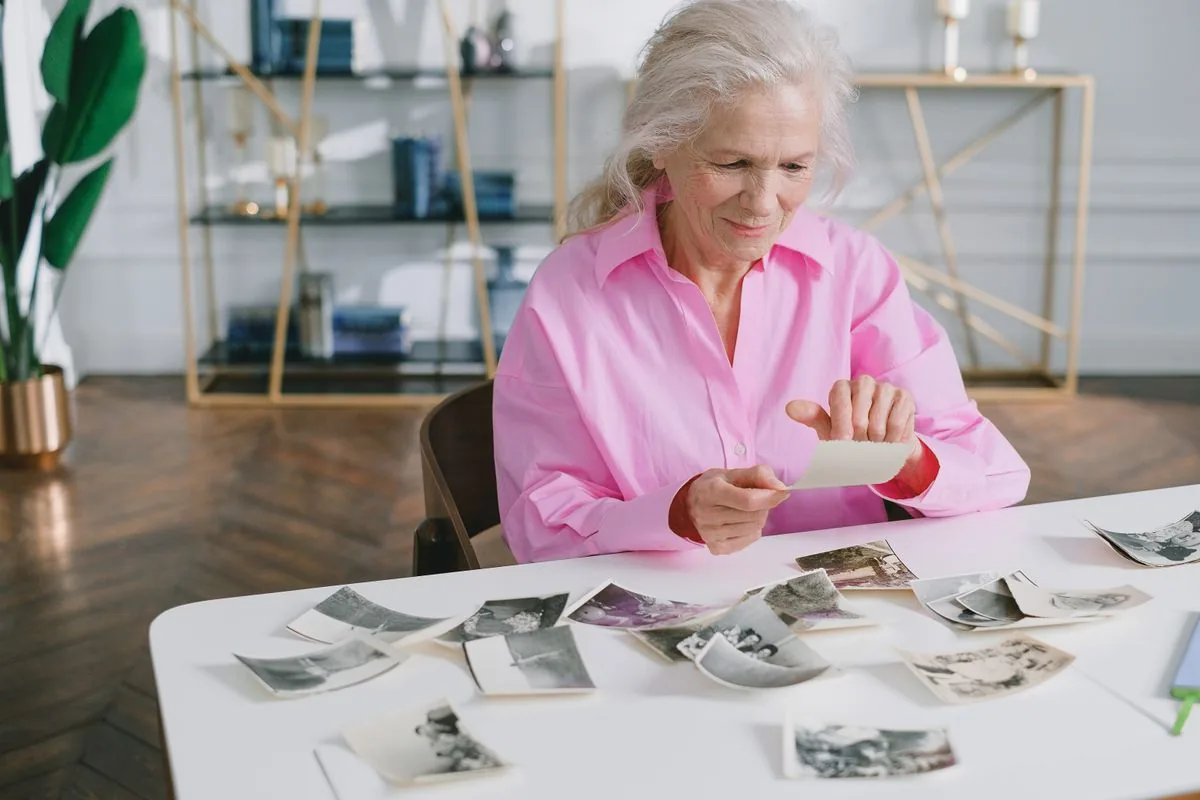
Geriatric psychology looks after older people and those around them, and the most repeated opening line is always the same: "my memory is going". The job here is to tell things apart. Forgetting where you left your glasses and finding them later is within the normal range; forgetting a whole conversation, repeating the same question ten minutes later or getting lost on the way home is another matter. A cognitive assessment helps place the case and decide whether the study should be completed with the doctor.
Memory is not the whole story, though. This stage brings retirement and the gap it leaves, loss of independence, the death of friends and partners, and a loneliness that is hard to say out loud. And there is a figure who often gets forgotten: the carer. Someone looking after a relative with dementia arrives exhausted, feeling guilty for being tired and with no space of their own. The World Health Organization makes exactly this point: supporting the carer is part of the treatment.
Couples therapy
Couples therapy almost never comes in for the reason given on day one. People book "because we argue a lot" and two sessions later what is underneath appears: a division of chores that has been burning for years, an infidelity never settled, two opposite ways of raising the children, or simply the feeling of having become flatmates. The work is on communication, on the way arguments happen, and on concrete agreements for everyday life.
Both partners come to the first session, because the relationship is what is being treated. And it is worth saying: booking does not mean it is over. Often the useful moment is precisely the one where there is still an appetite to repair things.
Who will see you at Clínica Eupnea
The psychology service in Palamós is run by two registered professionals. Sra. Carla Sidro covers the general practice for adults, adolescents and children: anxiety, depression, stress, grief and times of change. Sra. Miruna Mihaila handles neuropsychology and neuropsychological assessments, geriatric psychology, ASD and ADHD, couples therapy and child therapy. You will find them both on the clinic's medical team page.
If you are not sure which appointment you need, call and describe it: four pieces of information are usually enough to see whether what is called for is an assessment, a course of therapy or simply waiting and watching for a while. There is more context on how we work in our article on psychology and emotional wellbeing on the Costa Brava.
Frequently asked questions
It is an examination that measures how a child's attention, memory, language, processing speed, reading and writing and executive functions work, using standardised tests that compare their results with those of other children the same age. It is completed with a parent interview and information from the school. The outcome is not a mark but a profile: what they struggle with, what they do well and why. From there we write specific recommendations for home and for the classroom.
Usually between two and four sessions of an hour or an hour and a half, plus a final session to hand over and talk through the report. It helps to bring school reports, any previous assessment, the paediatrician's report if there is one and, if the child wears glasses or hearing aids, to have them on. Writing down beforehand a list of what worries you also helps: in the consulting room it is easy to forget half of it.
Not necessarily. Getting distracted is common at certain ages and can come from sleeping badly, from anxiety, from a vision or hearing problem, from an undetected reading difficulty or simply from a task that is too hard. ADHD requires the symptoms to show up in more than one setting, to last for months and to affect daily life. That is why the assessment gathers information from home and from school before concluding anything.
Warning signs can appear very early, around 18 to 24 months: little eye contact, not pointing to share something, delayed language or very restricted interests. An assessment can be done from that age and, the earlier support begins, the more room there is to work on communication and behaviour. In older children and teenagers, the assessment mainly helps to understand the profile and adjust what the environment demands of them.
Normal forgetting is not remembering where you left the keys and finding them later; what is worrying is forgetting whole conversations, repeating the same question a few minutes later, getting lost in familiar places or giving up things that used to be automatic. A neuropsychological assessment helps tell normal ageing from mild cognitive impairment and shows whether a referral to the doctor is needed to complete the study.
Yes, the first session is with both of you, because couples therapy works on the relationship rather than on one person. There may be an individual session with each of you later if the case calls for it, but most of the work is done together. Booking does not mean the relationship is over: often the useful moment is precisely the one where there is still a wish to repair it.
Looking for a neuropsychological assessment?
The psychology service at Clínica Eupnea, in Palamós, carries out neuropsychological assessments for children and adults, and provides support in ASD and ADHD, child therapy, couples therapy and geriatric psychology.
Book Appointment