
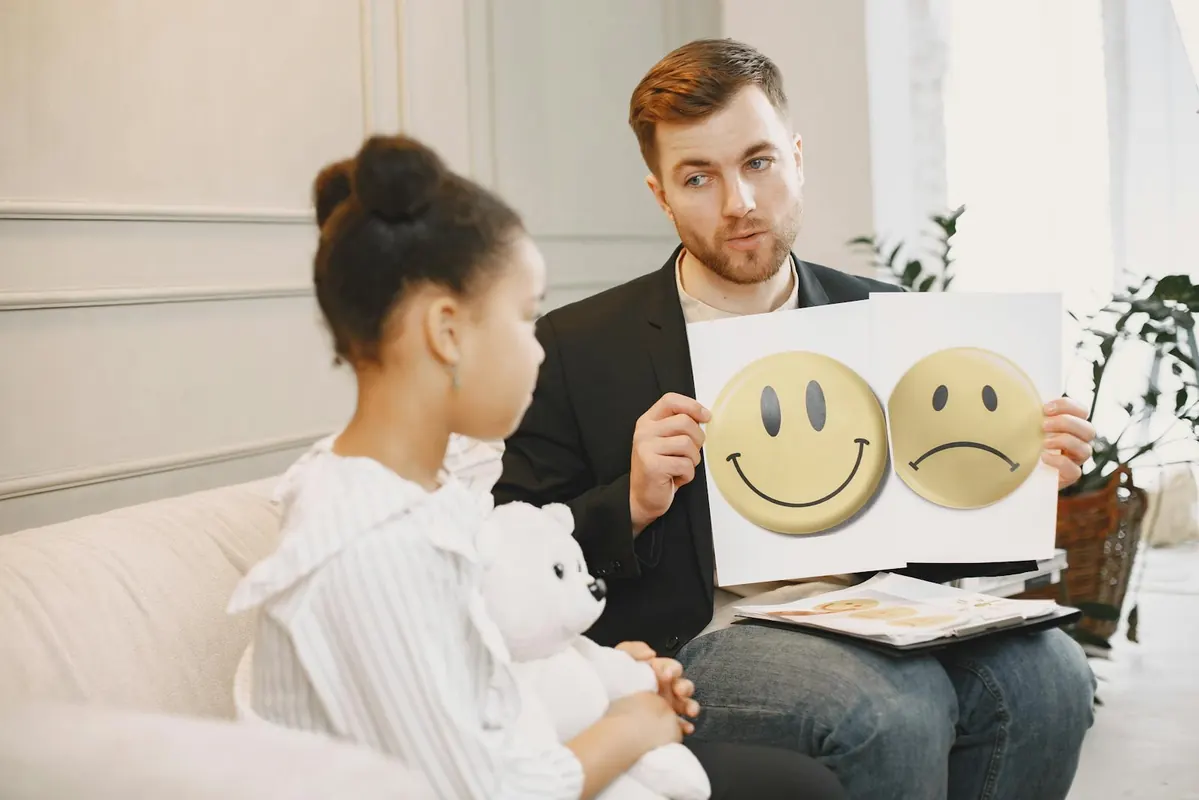
Child psychology offers emotional support to children and their families. Proper accompaniment helps overcome difficulties and foster healthy development.
In this article
Key takeaways
- Includes assessment, therapy and family guidance
- Accompanies the child's emotional growth
- Families are part of the therapeutic process
- Works with age-adapted techniques
- Early detection improves outcomes
Initial assessment
Starts with family interview, child observation and age-adapted tests. Identifies strengths, difficulties and the family and school context.
Types of therapy
- Play therapy (young children)
- Adapted cognitive-behavioural therapy
- Art or puppet support
- Family therapy
- Child-adapted mindfulness
Family guidance
Parents learn strategies to accompany the child, manage conflicts and promote emotional development. Family intervention is as important as individual.
School coordination
Often requires coordination with school teachers and counsellors to ensure coherent support. The child's confidentiality is always respected.
When to see a child psychologist
- Sudden behavioural changes
- Fears or intense anxiety
- Unexplained school difficulties
- Sleep or eating problems
- Persistent sadness
- Family conflicts
- Major life losses or changes
Does your child need emotional support?
The child psychology team at Clínica Eupnea Palamós offers specialised assessment with family accompaniment.
Book Appointment