
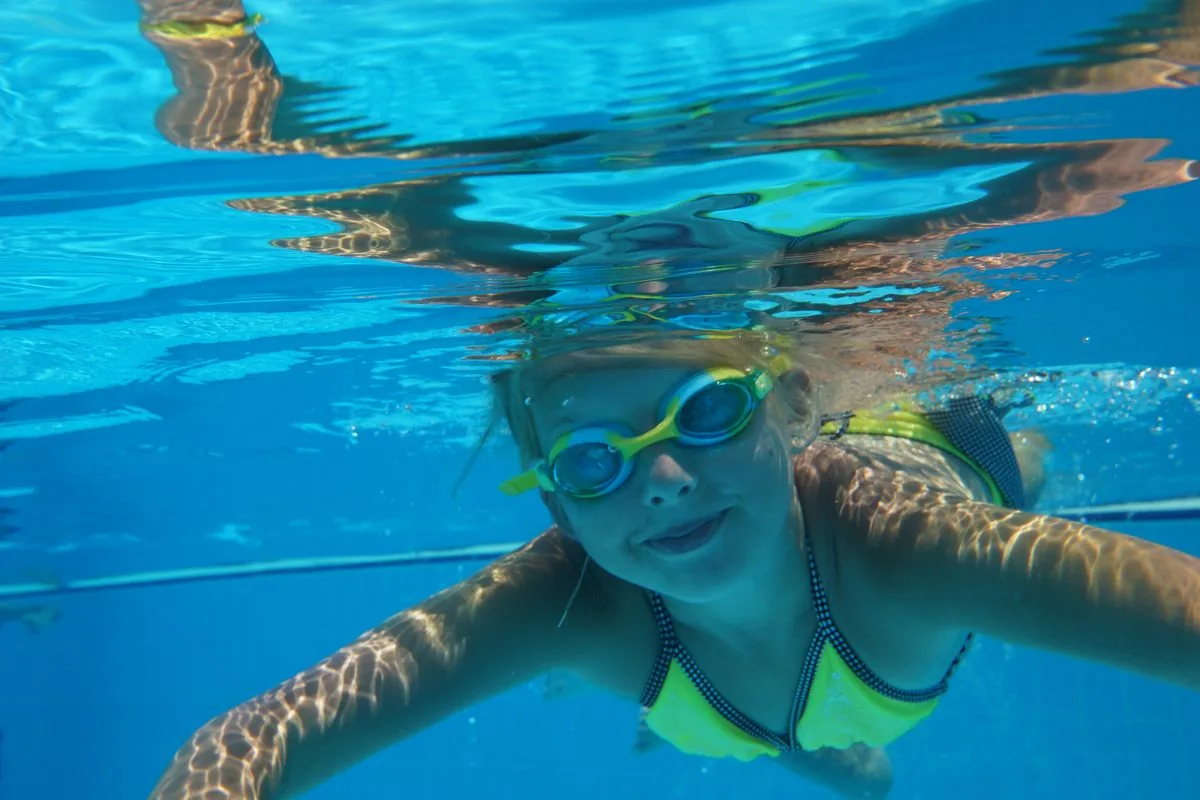
You get out of the pool or the sea, a few hours pass and that unmistakable discomfort begins: an ear that hurts when you touch it, that itches inside and feels blocked. If this has happened to you after a day in the water, you have very likely had a bout of swimmer's ear, also known as otitis externa. It is one of the most common reasons for a consultation during the summer months, especially in a beach and pool area like the Costa Brava.
Swimmer's ear is an inflammation or infection of the ear canal (the external auditory canal), the passage that runs from the outer ear to the eardrum. Although it is usually mild, it can become very painful and uncomfortable. Below we look at why it appears, how to recognise its symptoms, what you can do to prevent it and what its treatment involves, as well as when it is best to put yourself in the hands of an ENT specialist. At Clínica Eupnea, in Palamós (Baix Empordà), we offer ear, nose and throat care to help you look after the health of your ears all year round.
In this article
Key takeaways
- Swimmer's ear is an infection of the ear canal that is closely linked to exposure to water
- Its origin is trapped moisture in the ear, which breaks down the natural protection of the earwax
- The most typical symptom is earache that worsens when the outer ear is touched or pulled
- Prevention comes down to drying your ears thoroughly and not using cotton buds
- The usual treatment is antibiotic ear drops and keeping the ear dry
- You should see an ENT specialist if the pain is intense, does not improve, or there is fever, diabetes or a weakened immune system
What is swimmer's ear (otitis externa)?
Swimmer's ear is the popular name for otitis externa, an inflammation of the ear canal that often ends up infected by bacteria or, less frequently, by fungi. It gets this name because repeated exposure to water — swimming in the pool, in the sea or even showering very often — is one of its main triggers. It should not be confused with otitis media, which affects the middle ear (behind the eardrum), is often linked to colds and is more typical of young children.
Under normal conditions, the ear canal protects itself thanks to earwax (cerumen), which creates a slightly acidic, water-repellent barrier that holds microorganisms back. When this barrier breaks down — through excess moisture, small injuries or overly aggressive cleaning — the skin of the canal is left unprotected and germs can proliferate. The result is otitis externa: redness, swelling and pain inside the ear.
Why it appears: causes and risk factors
The underlying cause of swimmer's ear is nearly always the same: trapped moisture inside the ear canal. When water remains after swimming, the skin of the canal softens (it becomes macerated), loses the protection of the earwax and turns into an ideal environment for bacteria such as Pseudomonas aeruginosa to grow. Besides moisture, there are several risk factors that increase the likelihood of developing it:
- Swimming often, especially in warm or unclean water.
- Using cotton buds, hairpins or other objects that drag out earwax and cause micro-injuries.
- Having a narrow ear canal or one with a lot of hair, which traps more water.
- Having dermatitis, eczema or psoriasis in the area of the ear.
- Using earplugs, in-ear headphones or hearing aids that hinder ventilation of the canal.
- A warm, humid climate like that of a Mediterranean summer.
Both an excess and an absence of earwax can be a problem: cleaning your ears too much removes this natural protection and is one of the most common causes of otitis externa.
Symptoms of otitis externa
The symptoms of otitis externa usually appear fairly quickly and, in general, affect just one ear. The most characteristic are:
- Earache (otalgia), which typically worsens when you touch or pull the outer ear, or when you press on the tragus (the small cartilage ridge in front of the ear canal).
- Intense itching inside the ear canal, often the first sign.
- A feeling of a blocked ear and slight hearing loss.
- Discharge (otorrhoea), watery or pus-like, coming from the ear.
- Redness and swelling of the canal, which sometimes closes almost completely.
- Discomfort or pain when chewing.
A high fever is not usual in a simple case of otitis externa; if it appears, or if the pain and swelling spread to the area around the ear, you need a medical assessment without delay, as it may indicate that the infection is becoming complicated.
How to prevent swimmer's ear in summer
Preventing swimmer's ear is simple and very effective. The golden rule is to keep the ear canal dry and intact. These habits will help you enjoy the water without paying the price:
- Dry your ears thoroughly after swimming or showering: tilt your head to each side so the water runs out and pat gently with a towel. You can finish with a hairdryer on a cool setting held at a distance.
- Do not use cotton buds or put anything into the canal: they push the earwax inwards and injure the skin.
- Do not over-clean your ears: earwax is your natural protection.
- Use custom-made swimming earplugs or a swim cap if you are prone to ear infections or spend many hours in the water.
- Avoid swimming in dirty or poorly maintained water.
- If you tend to get otitis, an ENT specialist may recommend drying drops (for example, based on acetic acid or alcohol) after swimming, provided you do not have a perforated eardrum or grommets (drainage tubes).
These tips are especially important for children, who spend hours in the pool and are one of the groups in which swimmer's ear is most common; our paediatrics team in Palamós can advise families on how to care for the little ones' ears.
Treatment of swimmer's ear
If, despite prevention, the infection does appear, the treatment of swimmer's ear is usually simple and effective, especially if it is started early.
Ear drops and in-clinic care
The main treatment is ear drops containing an antibiotic, often combined with a corticosteroid to reduce inflammation and pain; if the cause is a fungus, antifungal medication is used. So that the medicine reaches the affected area properly, the doctor sometimes needs to clean the ear canal (a procedure known as aural toilet or micro-suction) and, if it is very swollen, may place a small wick inside to help spread the drops. For the pain, you can take common painkillers such as paracetamol or ibuprofen. During treatment it is essential to keep the ear dry: no swimming and no getting it wet until you are discharged.
When to see an ENT specialist
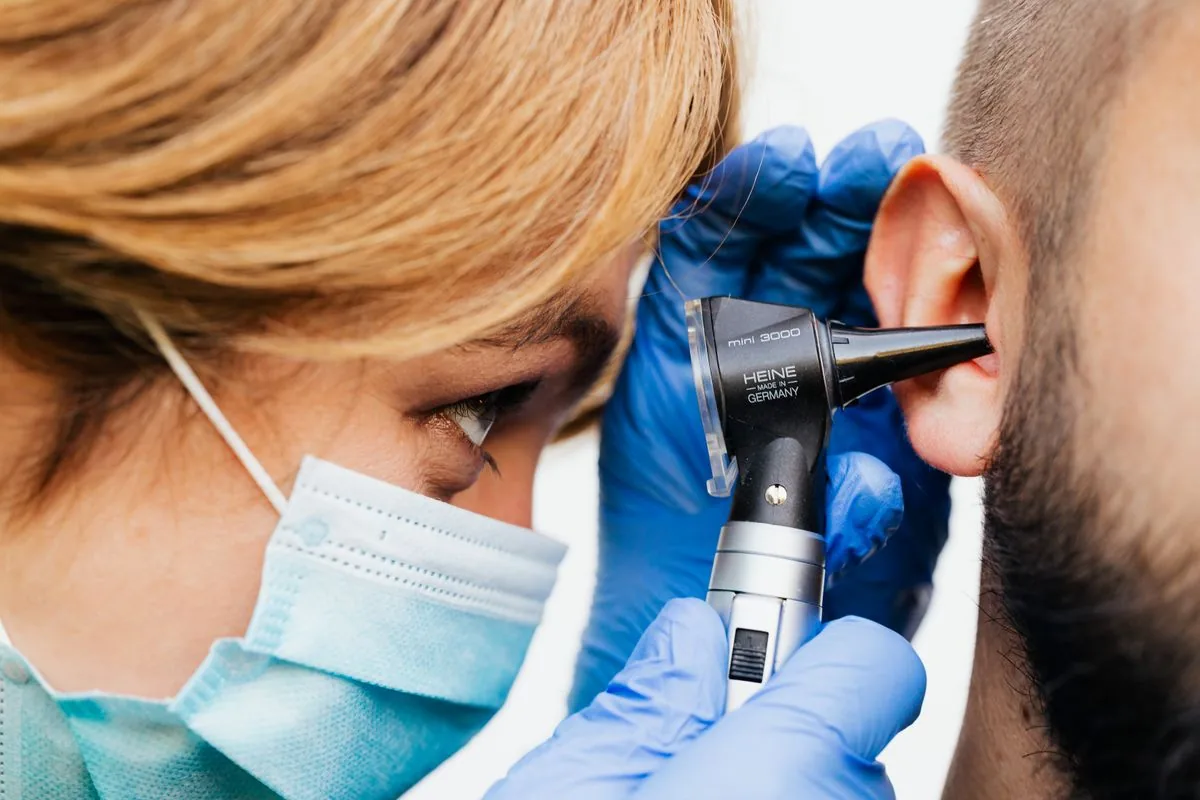
It is advisable to see an ENT specialist if the pain is intense, if you do not improve within two or three days of treatment, if you have a fever, if the infection recurs frequently or if you have diabetes or a weakened immune system. In these cases, the doctor can examine the ear with an otoscope, adjust the treatment and rule out complications. You can see all our services on our ENT in Palamós page and, if you would like to learn about other common ENT conditions, we have a guide on otitis, sinusitis and voice problems.
The trick to drying your ears properly
After every swim, tilt your head to one side and gently pull the outer ear up and back: this movement straightens the canal and helps the water drain out on its own. Finish with a dab of the towel on the outer folds of the ear. What you must never do is insert cotton buds: the water needs to come out, not to be pushed inwards or to drag out the earwax that protects you.
Warning signs and complications
In the vast majority of cases, otitis externa heals without leaving any after-effects. That said, there are situations that require urgent medical attention: very intense pain that does not ease, swelling that spreads towards the face or neck, high fever or a general feeling of being unwell. In people who are diabetic, elderly or immunosuppressed, a poorly controlled otitis externa can develop into a serious form called necrotising (or malignant) otitis externa, which affects the bone and needs hospital treatment. That is why, faced with an earache that does not improve, it is always better to seek advice.
Ear pain can also occur alongside other ear, nose and throat complaints. For further reliable, evidence-based medical information about otitis externa, you can consult trustworthy sources such as MedlinePlus, the UK National Health Service (NHS) or the US CDC.
Frequently asked questions about swimmer's ear
The main clue is the type of pain. With swimmer's ear (otitis externa), the pain gets worse when you touch or pull the outer ear or when you press on the tragus, and it often appears after being in the water. Otitis media, on the other hand, affects the middle ear behind the eardrum, usually follows a cold and is more typical of children; the pain does not increase when you manipulate the outer ear. If in doubt, an ENT specialist can easily tell them apart with a simple examination using an otoscope.
With the right treatment, most cases of otitis externa improve within two or three days and clear up completely within a week or ten days. It is important to finish the full course of drops prescribed by your doctor even if you feel better sooner, and to keep the ear dry throughout this time. If after three days you notice no improvement, you should see your doctor again to review the diagnosis and treatment.
It is not advisable. While you have swimmer's ear you need to keep the ear as dry as possible, so you should avoid swimming and getting the ear wet until the infection has healed. Continuing to expose the ear canal to water prolongs the inflammation and can make the infection worse. Once it has cleared up, you can return to the water with the usual prevention measures, such as drying your ears thoroughly and, if you are prone to it, using swimming earplugs.
They can help, especially if you are prone to ear infections or spend many hours in the water. Swimming earplugs, particularly custom-made ones, reduce the amount of water entering the ear canal. Even so, they do not replace the other measures: after swimming you still need to dry your ears thoroughly and avoid cotton buds. If you do use earplugs, make sure they are clean and that they do not hurt you or injure the ear canal.
No. Cotton buds are one of the main enemies of ear health: they push earwax deeper in, can cause small tears in the skin of the ear canal and remove its natural protection — three factors that make otitis externa more likely. To dry your ears, it is enough to tilt your head, let the water run out and gently wipe the outer part of the ear with a towel. The ear canal cleans itself.
In most cases it is not: it is an annoying but mild infection that responds well to ear drops. Problems can arise if it is left untreated or in people with diabetes, advanced age or a weakened immune system, where it can exceptionally develop into a serious form that affects the bone (necrotising otitis externa). For this reason, faced with an intense earache or one that does not improve, especially in these risk groups, you should see a doctor without delay.
Does your ear hurt after swimming?
The ENT team at Clínica Eupnea in Palamós helps you diagnose and treat swimmer's ear and other ear complaints. Don't let an earache spoil your summer.
Book an Appointment