
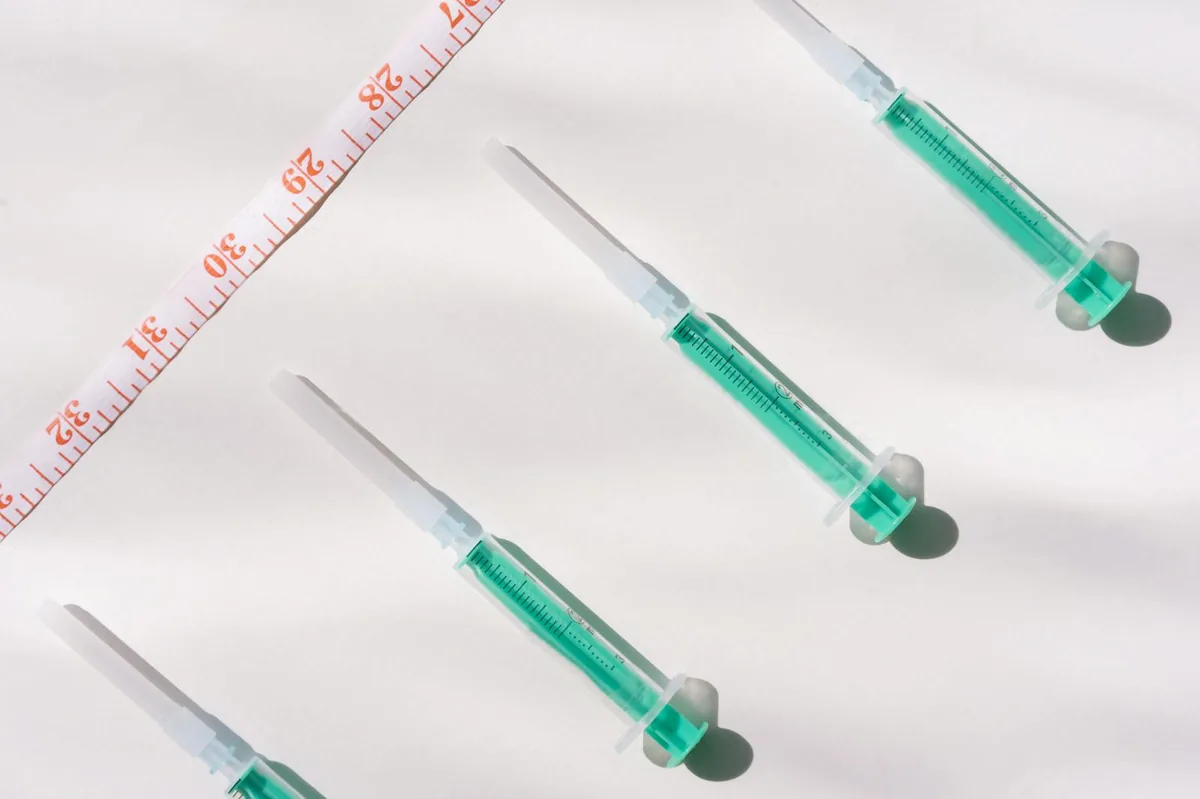
The last few years have revolutionised obesity treatment with a new generation of prescription drugs: GLP-1 agonists and, more recently, dual GLP-1/GIP agonists. These drugs achieve weight losses previously only accessible through bariatric surgery.
At Clínica Eupnea, Palamós, the endocrinology and nutrition team assesses each case individually to decide the most appropriate medication and dose, always within a comprehensive programme that includes diet, exercise and emotional support.
In this article
Key takeaways
- New drugs achieve weight losses of 15-25% of body weight
- Always with medical prescription and follow-up — never self-medication
- Must be combined with lifestyle changes for sustainable results
- Mounjaro (tirzepatide) appears more effective than Ozempic in head-to-head trials
- All have GI side effects at the start
Families of prescription weight-loss drugs
- GLP-1 agonists: semaglutide (Ozempic/Wegovy), liraglutide (Saxenda/Victoza) — mimic intestinal GLP-1, reduce appetite, slow gastric emptying
- Dual GLP-1/GIP agonists: tirzepatide (Mounjaro/Zepbound) — combine two hormonal pathways; even better results
- Fat absorption inhibitors: orlistat (Xenical) — blocks part of dietary fat
- Naltrexone-bupropion (Mysimba): CNS-acting, reduces appetite
Ozempic and Wegovy (semaglutide)
Semaglutide is sold under two brands and indications: Ozempic for type 2 diabetes (1 mg/week) and Wegovy for obesity (up to 2.4 mg/week). Average loss in studies: 15% of body weight at 68 weeks.
Administered weekly subcutaneously. The dose is titrated up gradually to minimise GI side effects.
Mounjaro (tirzepatide)
Tirzepatide is the new generation: it acts simultaneously on GLP-1 and GIP. In the SURMOUNT-1 study it achieved losses up to 22.5% of body weight at 72 weeks with the highest dose. Weekly subcutaneous administration. Indication: obesity and type 2 diabetes.
Saxenda (liraglutide)
Liraglutide 3 mg/day (Saxenda) was the first GLP-1 approved for obesity. Typical losses: 5-10% of body weight. Advantages: more clinical experience, daily dosing with well-characterised safety profile.
Who is a candidate?
In general, patients with:
- BMI ≥ 30 (obesity)
- BMI ≥ 27 with comorbidities (type 2 diabetes, hypertension, dyslipidaemia, sleep apnea)
- Failure of dietary-behavioural approach
- Commitment to medical follow-up and lifestyle change
Not candidates: pregnancy, personal history of medullary thyroid cancer, MEN-2, recent acute pancreatitis, drug hypersensitivity.
Side effects and precautions
Most common are gastrointestinal: nausea, vomiting, diarrhoea or constipation, abdominal pain. They tend to appear at dose escalation and improve over time. Less common but relevant: acute pancreatitis, biliary complications, dehydration, hypoglycaemia (especially when combined with other diabetes drugs).
Medical follow-up is essential: weight, blood pressure, glycaemia, renal and hepatic function, and treatment adherence.
These are not miracle products: they are medications
Use without prescription is dangerous. Weight loss must be paired with sustainable changes in diet and activity to avoid regain when stopping the drug.
Considering pharmacological treatment for weight loss?
Endocrinology and nutrition at Clínica Eupnea Palamós: full medical assessment before starting any treatment.
Book Appointment