
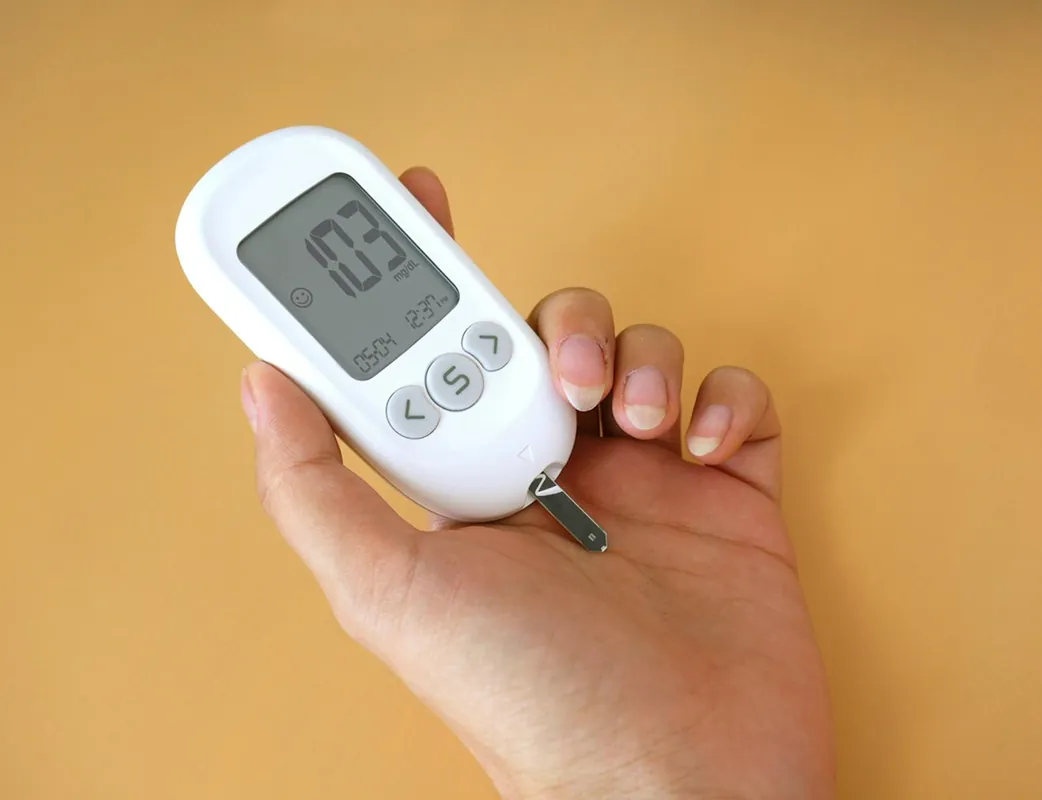
Diabetes is a chronic disease characterised by high blood glucose levels due to absolute or relative insulin deficiency. It affects more than 14% of the adult population in Spain, with a significant share undiagnosed. Early detection and good control prevent serious cardiovascular, renal, neurological and visual complications.
At Clínica Eupnea, in Palamós, the endocrinology and nutrition team diagnoses and supports patients in managing diabetes with an integrated approach.
In this article
Key takeaways
- Type 2 diabetes is the most common (90% of cases) and largely preventable
- Classic symptoms: thirst, frequent urination, fatigue, unexplained weight loss
- Diagnosis: fasting glucose, HbA1c or oral glucose tolerance test
- Personalised treatment: lifestyle, oral antidiabetics, GLP-1 agonists, insulin
- Good control prevents complications: heart disease, retinopathy, nephropathy, neuropathy
The 5 main types of diabetes
- Type 1 diabetes: autoimmune, destruction of pancreatic beta cells. Often appears in childhood/youth. Requires insulin from diagnosis
- Type 2 diabetes: insulin resistance + progressive secretion deficit. Most frequent, linked to obesity, sedentary life and age
- Gestational diabetes: appears during pregnancy. Usually resolves after birth, but raises future T2D risk
- LADA: slow-onset autoimmune diabetes in adults. Often initially confused with T2D
- MODY: monogenic hereditary diabetes with specific clinical variants
Warning symptoms
- Polydipsia: excessive thirst
- Polyuria: frequent urination, especially at night
- Polyphagia: increased hunger
- Unexplained weight loss despite eating more
- Fatigue, weakness
- Blurred vision
- Slow healing and recurrent infections
- Tingling or numbness in feet or hands
⚠️ Ketoacidosis: medical emergency
Extreme thirst, abdominal pain, vomiting, fruity breath, rapid breathing or confusion in someone with type 1 diabetes (often at onset) require urgent care.
Diagnosis and tests
Diagnosis is confirmed with any of these criteria:
- Fasting plasma glucose ≥126 mg/dl (twice)
- HbA1c ≥6.5%
- 2-h glucose in OGTT (75 g) ≥200 mg/dl
- Random glucose ≥200 mg/dl with symptoms
Complemented by lipid profile, renal function (creatinine, microalbuminuria), fundus exam, ECG and foot inspection.
Treatment by type
- T1D: intensive insulin (basal-bolus or pump), diabetes education, continuous glucose monitoring
- T2D: stepped therapy:
- Lifestyle (diet, exercise, weight loss)
- Metformin as first line
- SGLT2i (empagliflozin, dapagliflozin) and GLP-1 (semaglutide, dulaglutide) in patients with cardiovascular risk
- Insulin if targets not reached
- Gestational: diet, monitoring and, if needed, insulin
Long-term complications
- Cardiovascular: heart attack, stroke (leading cause of mortality)
- Renal: diabetic nephropathy, kidney failure
- Ocular: diabetic retinopathy, blindness
- Neurological: peripheral neuropathy, diabetic foot
- Infections: more frequent and severe
Preventing type 2 diabetes
- Maintain healthy weight; losing 5-10% markedly reduces risk
- Regular physical activity (≥150 min/week moderate)
- Mediterranean diet, low in simple sugars and ultra-processed foods
- No smoking; moderate alcohol
- Screening from age 45, earlier if risk factors
Symptoms of diabetes or want endocrine check-up?
Endocrinology at Clínica Eupnea Palamós: diagnosis, treatment and integrated follow-up of diabetes and other hormonal conditions.
Book Appointment