
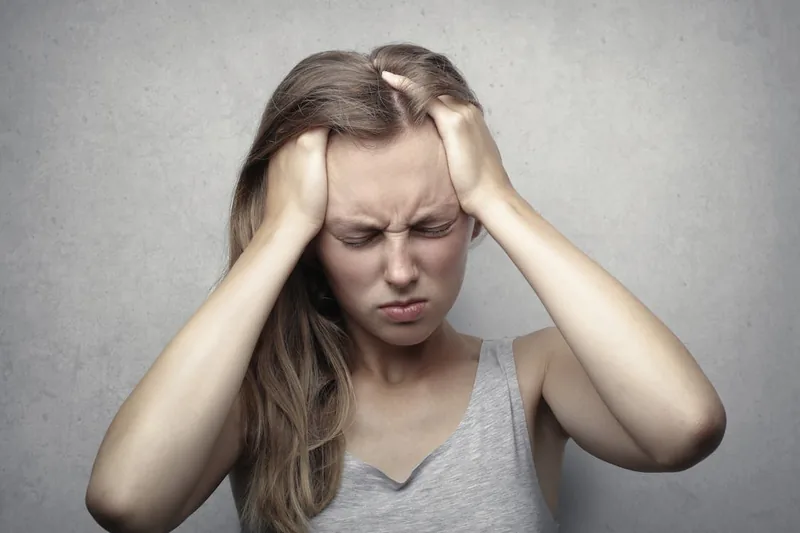
Shortness of breath from anxiety is more common than it seems. Knowing how to identify and differentiate it from organic causes is the first step to managing it.
Key takeaways
- Anxiety can cause dyspnea without lung disease
- Organic causes must be ruled out first
- Breathing techniques help greatly
- Psychological therapy resolves the root
- In crisis, breathing exercises are effective
Typical symptoms
- Sensation of not breathing deeply
- Need to breathe more often
- Chest tightness
- Dizziness or tingling
- Hyperventilation
- Pallor or sweating
Rule out organic cause
Before attributing dyspnea to anxiety, evaluate with doctor: asthma, cardiac problem, anaemia, pulmonary embolism, etc. ECG and basic lab usually enough to rule out.
Immediate management
- Diaphragmatic breathing (4-7-8: inhale 4 s, hold 7, exhale 8)
- Cold water technique on face
- Grounding (5 things I see, 4 I touch...)
- Avoid rapid superficial breathing
Long-term treatment
Cognitive-behavioural therapy and mindfulness techniques are most effective. In selected cases, supervised anxiolytic medication.
When it's an emergency
- Intense chest pain
- Cyanosis (blue lips)
- Loss of consciousness
- Blood in expectoration
- History of serious cardiac or pulmonary problem
- Extreme sudden dyspnea
Does anxiety affect your breathing?
The psychology team at Clínica Eupnea offers evaluation and comprehensive treatment of anxiety.
Book Appointment