
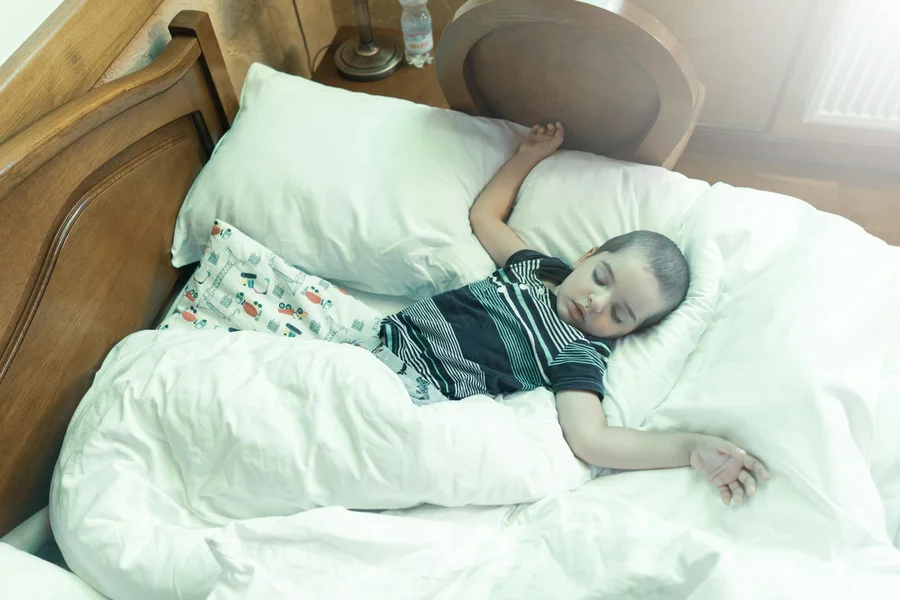
Snoring isn't just a social problem: it may indicate sleep apnea, a disorder with health consequences. Clinical approach solves the root.
In this article
Key takeaways
- Snoring may hide sleep apnea
- Respiratory polygraphy diagnoses
- CPAP is the standard treatment
- Weight loss and posture help a lot
- Surgery is the last option
Common causes
- Obesity and excess pharyngeal tissue
- Anatomy (large uvula, soft palate)
- Sleeping position (especially supine)
- Alcohol and sedatives
- Smoking
- Nasal obstruction
Differentiate from sleep apnea
If snoring comes with breathing pauses, daytime sleepiness, choking awakenings or unexplained tiredness, suspect obstructive sleep apnea and do respiratory polygraphy.
Effective treatments
- Weight loss (at least 5-10%)
- CPAP in case of apnea
- Oral devices in selected cases
- Surgery (uvula, nasal septum) in refractory cases
- Avoid nighttime alcohol and sedatives
- Sleep on the side
Clinical follow-up
Pulmonologist evaluation with sleep studies is the first step. Personalised treatment (CPAP, device or surgery) has excellent results.
When to see a doctor
- Loud snoring every night
- Observed breathing pauses
- Major daytime sleepiness
- Waking with choking sensation
- Morning headache
- Hypertension difficult to control
Do you or someone at home snore?
The pulmonology team at Clínica Eupnea evaluates and treats snoring with a comprehensive approach.
Book Appointment