
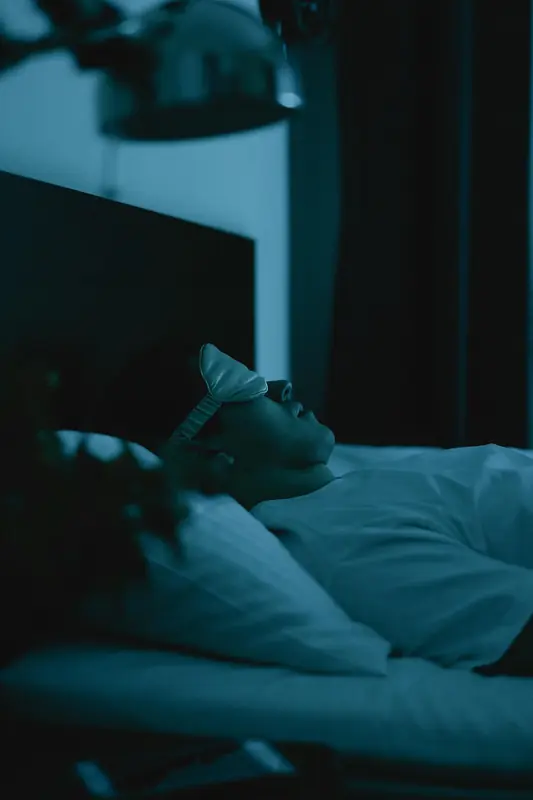
Sleep apnea is a respiratory disorder that interrupts breathing repeatedly during the night, preventing the body from getting enough oxygen and resulting in non-restorative rest. Daytime symptoms — excessive sleepiness, difficulty concentrating, irritability or morning headache — can severely affect quality of life.
At Clínica Eupnea, in Palamós, we offer accurate diagnosis and integrated treatment with CPAP, the gold standard for moderate to severe apnea. This article explains how it works, its benefits, and how to adapt it to your lifestyle.
In this article
Key takeaways
- Untreated sleep apnea increases cardiovascular risk, accidents and diabetes
- CPAP is the most effective therapy for moderate and severe apnea
- Polysomnography or polygraphy confirm the diagnosis and guide treatment
- Mask adaptation needs professional follow-up in the first weeks
- Weight loss, exercise and sleep hygiene complement therapy
What is sleep apnea?
Obstructive sleep apnea (OSA) occurs when the tissues of the throat relax and block airflow several times during the night. Each pause — called an apnea — drops oxygen levels and triggers micro-arousals that fragment sleep. It can be associated with loud snoring, body movements during the night, sweating and a choking sensation.
Untreated apnea is linked to hypertension, heart attack, stroke, diabetes, obesity and depression. It also raises accident risk through daytime sleepiness. Early diagnosis and treatment are therefore essential.
Diagnosis: polysomnography and respiratory polygraphy
To confirm apnea, pneumologists use two tests:
- Polysomnography: records brain, respiratory, cardiac, muscular and eye activity during the night. The most complete test.
- Respiratory polygraphy: simpler, records breathing parameters and can be done at home with a portable device.
Results yield the apnea-hypopnea index (AHI), classifying severity: mild (5-15), moderate (15-30) or severe (>30 episodes/hour).
What is CPAP and how does it work?
CPAP (Continuous Positive Airway Pressure) is a device that delivers constant air pressure through a nasal or oronasal mask. This pressure keeps the airway open all night and prevents apnea episodes.
The device is quiet, easy to use, and fitted to the pressure each patient needs — set by the pneumologist after diagnosis. Modern CPAPs include humidifiers, adherence tracking and self-adjusting modes (AutoCPAP).
When is CPAP indicated?
It is indicated for moderate or severe apnea (AHI > 15), or for mild apnea with symptoms or cardiovascular risk factors. The decision is made by the pneumologist after diagnosis.
Benefits of CPAP therapy
- Restorative sleep: micro-arousals disappear and sleep architecture is restored
- Snoring elimination: better rest for you and your partner
- Less daytime sleepiness: improved concentration, memory and mood
- Lower cardiovascular risk: blood pressure, nocturnal heart rate and arrhythmia risk drop
- Better glycaemic control in type-2 diabetes
- Fewer morning headaches and puffy eyes
Adaptation and follow-up
The first nights with CPAP can feel strange. Tips from our team:
- Choose a comfortable, well-fitted mask (many types exist)
- Use the humidifier if you feel nasal or throat dryness
- Start with ramp pressure if you struggle to fall asleep
- Follow up with the pneumologist at 1, 3 and 12 months
- Share CPAP data (adherence reports) with your doctor
Combine CPAP with weight loss, regular exercise, sleep hygiene, avoiding alcohol/sedatives before bed, and sleeping on your side.
Do you suspect sleep apnea?
Pneumology at Clínica Eupnea Palamós offers complete diagnosis and personalised CPAP treatment.
Book Appointment