
COPD (Chronic Obstructive Pulmonary Disease) is a progressive respiratory disease that limits airflow through the lungs. It affects around 2 million people in Spain and is among the leading causes of mortality worldwide. The good news: if detected early, its progression can be slowed and quality of life maintained.
At Clínica Eupnea, in Palamós, pneumology specialists diagnose COPD with spirometry and offer integrated treatment with bronchodilators, smoking cessation programmes, respiratory physiotherapy and personalised follow-up.
In this article
Key takeaways
- COPD is progressive but can be slowed with treatment and quitting smoking
- Key symptoms: progressive dyspnea, chronic cough and phlegm
- Diagnosed by spirometry with FEV₁/FVC <0.70
- Treatment based on bronchodilators and respiratory physio
- Tobacco is the main cause in 80-90% of cases
What is COPD?
COPD includes two main entities: chronic bronchitis (chronic bronchial inflammation with phlegm) and emphysema (destruction of alveoli). Both reduce the ability to exhale and, over time, to oxygenate blood properly.
Main symptoms
- Progressive dyspnea: first on heavy exertion, then on usual activities and finally even at rest
- Chronic cough: persistent, often with morning phlegm
- Phlegm: mucous, whitish or yellow if superinfection
- Wheezing: on auscultation or noticeable to the patient
- Exacerbations: acute worsening with more cough, purulent phlegm and dyspnea
- Advanced: fatigue, weight loss, edema, cyanosis
Causes and risk factors
- Tobacco: 80-90% of cases. Risk proportional to pack-years
- Wood smoke / cooking smoke: relevant in developing countries
- Occupational exposure: dust, fumes, chemical vapours
- Air pollution
- Alpha-1 antitrypsin deficiency: genetic cause (1-3% of cases)
- Long-standing asthma and recurrent childhood lung infections
Diagnosis: spirometry
Forced spirometry with bronchodilator test is the reference test. It measures the volume of air you can exhale in 1 second (FEV₁) over the total (FVC). Diagnosis is confirmed when FEV₁/FVC <0.70 after bronchodilator.
Other tests follow: chest X-ray, blood gases, ECG and, if needed, CT, exercise test or alpha-1 antitrypsin levels.
GOLD stages of COPD
- GOLD 1 (mild): FEV₁ ≥80%. Mild or no symptoms
- GOLD 2 (moderate): FEV₁ 50-79%. Dyspnea with mild exertion
- GOLD 3 (severe): FEV₁ 30-49%. Significant daily activity limitation
- GOLD 4 (very severe): FEV₁ <30%. Respiratory failure, low quality of life
Beyond the stage, exacerbation risk is classified into A, B, C, D groups by symptoms and yearly exacerbations.
Treatment and management
- Quit smoking: most effective intervention. Smoking-cessation programme
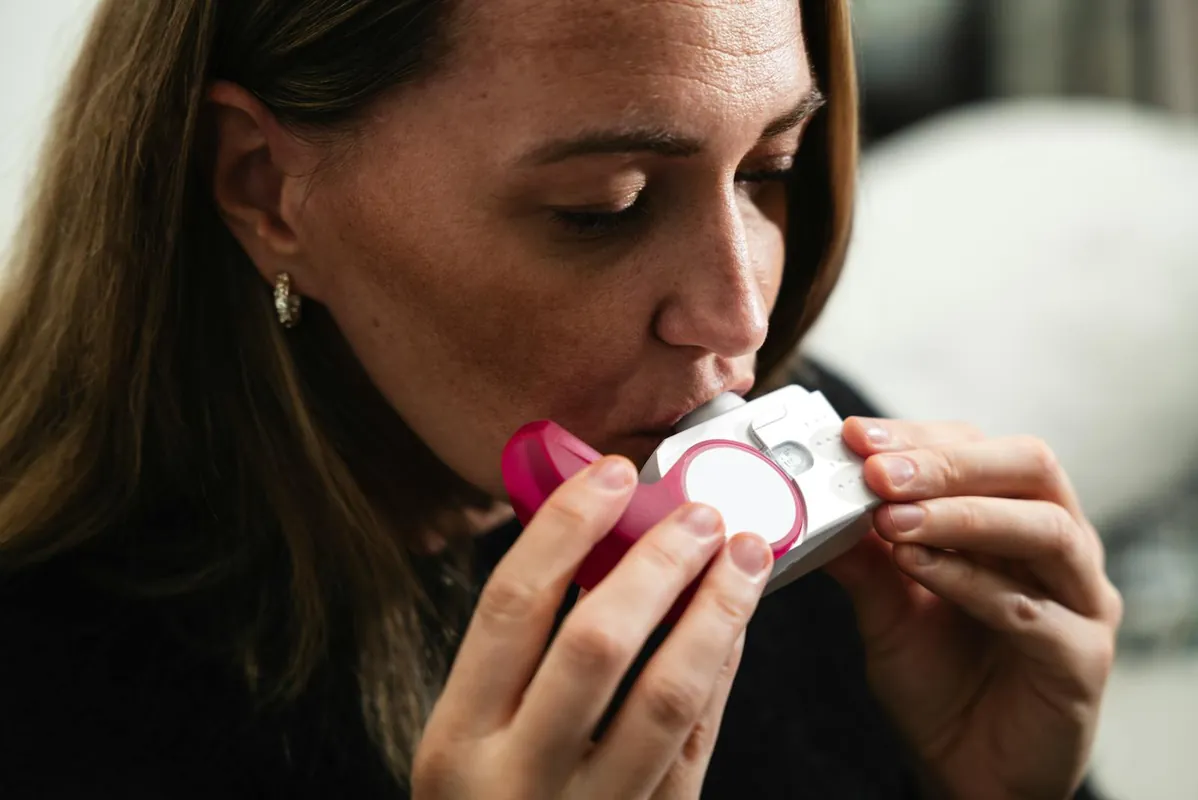
- Inhaled bronchodilators: beta-agonists (LABA), antimuscarinics (LAMA), and combinations
- Inhaled corticosteroids: in patients with frequent exacerbations or asthma overlap
- Respiratory physiotherapy: improves dyspnea and exercise tolerance
- Vaccination: flu, pneumococcus, COVID-19 and RSV
- Home oxygen therapy: in very severe COPD with chronic hypoxemia
- Surgery or transplant: selected very advanced cases
When to see a pneumologist
If you have persistent cough >2 months, dyspnea with usual activities, chronic phlegm, or are a smoker/ex-smoker over 40, get a spirometry. Early detection changes the prognosis.
Chronic cough or breathlessness on exertion?
Pneumology at Clínica Eupnea Palamós: spirometry, diagnosis and personalised COPD treatment.
Book Appointment