Cellular aging is no longer an abstract concept — it has become a concrete medical objective. Today we know what happens inside our cells as we age, we can measure it and, above all, we can act on it. Longevity medicine is no longer science fiction: it is evidence-based prevention.
At Clínica Eupnea, on the Palamós seafront, we integrate advanced lab tests, healthy habits and regenerative aesthetic medicine to help you age better: with more energy, better health and firmer skin. This complete guide, written by our medical team, explains what cellular aging is and which strategies have real scientific support to slow it down.
In this article
- What is cellular aging?
- The 12 hallmarks of aging
- Telomeres: the biological clock
- Mitochondria and oxidative stress
- Cellular senescence and inflammaging
- How is biological age measured?
- Evidence-based strategies to slow it down
- Supplements with scientific support
- Hormones, menopause and longevity
- Regenerative medicine at Clínica Eupnea
- Frequently asked questions
Key takeaways
- Aging is a modulable biological process, not a genetic sentence
- The 12 hallmarks of aging (López-Otín, 2023) define the mechanisms of the process
- Biological age often differs from chronological age and can be measured
- The Mediterranean diet, strength training and sleep are the most powerful interventions
- NAD+, spermidine, omega-3 and vitamin D have growing evidence in longevity
- Regenerative aesthetic medicine acts on cellular pathways of the skin
What is cellular aging?
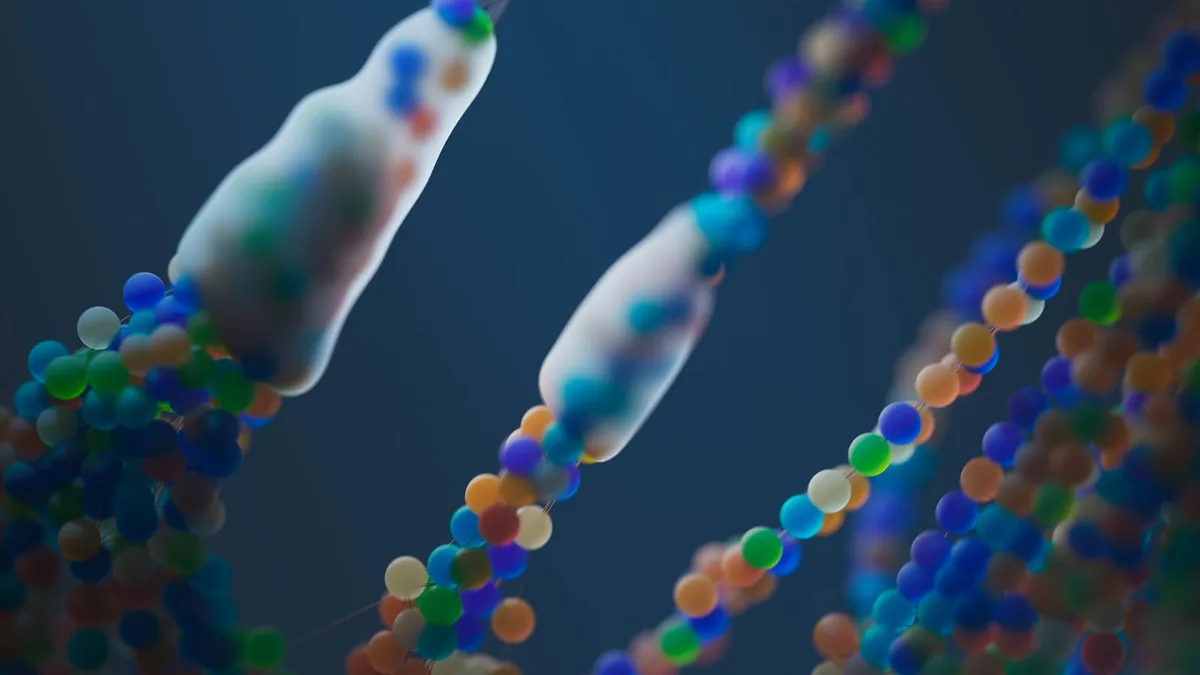
Cellular aging is the progressive accumulation of molecular and functional damage in our cells. When young, cells divide, repair their DNA, produce energy efficiently and dispose of waste. Over time, these systems deteriorate: DNA accumulates mutations, mitochondria fail, telomeres shorten and cells enter senescent states that disrupt the entire tissue.
This process is not uniform: two people of the same age can have cells in very different functional states. This is where the concept of biological age comes in — a reflection of the body's real deterioration that may be higher than, equal to or lower than chronological age.
The 12 hallmarks of aging (López-Otín, 2023)
Professor Carlos López-Otín and his team updated the hallmarks of aging framework in 2023: 12 interconnected mechanisms that explain how we age at the cellular and molecular level.
- Genomic instability: accumulation of damage in nuclear and mitochondrial DNA
- Telomere attrition: shortening of chromosome ends
- Epigenetic alterations: changes in DNA methylation and histones
- Loss of proteostasis: protein misfolding and aggregates
- Disabled macroautophagy: impaired cellular recycling
- Deregulated nutrient sensing: insulin, mTOR, AMPK pathways altered
- Mitochondrial dysfunction: less energy, more free radicals
- Cellular senescence: "zombie" cells that no longer divide
- Stem cell exhaustion: reduced regeneration
- Altered intercellular communication: chronic inflammaging
- Chronic inflammation: low-grade but sustained
- Gut dysbiosis: impoverished microbiota
The good news: most of these hallmarks are modifiable through habits, nutrition, exercise and, if needed, medical interventions.
Telomeres: the biological clock of chromosomes
Telomeres are protective structures at the ends of chromosomes that shorten with each cell division. When too short, the cell enters senescence or dies. Telomere length is one of the best-studied biomarkers of aging: shorter telomeres are associated with greater cardiovascular risk, cancer, dementia and overall mortality.
Factors that shorten them: chronic stress, smoking, sedentary lifestyle, inflammatory diet, sleep deprivation, obesity. Factors that preserve them: Mediterranean diet, regular exercise, meditation, omega-3, vitamin D and strong social ties. Yes — social isolation shortens telomeres.
Mitochondria and oxidative stress
Mitochondria are the cell's power plants. They produce ATP but also reactive oxygen species (ROS), which in excess damage DNA, proteins and lipids. With age, mitochondria become less efficient and "dirtier", feeding back into the aging process.
To improve mitochondrial health: high-intensity interval training (HIIT), controlled cold and heat exposure, tailored intermittent fasting, dietary antioxidants (polyphenols, vitamins C and E, glutathione, coenzyme Q10) and, in selected cases, supervised supplementation with NAD+, urolithin A or PQQ.
Cellular senescence and "inflammaging"
Senescent cells are cells that no longer divide but also do not die. They accumulate and secrete proinflammatory molecules (the SASP), causing a state of low-grade chronic inflammation known as inflammaging. This is the biological basis of many age-related diseases: atherosclerosis, sarcopenia, osteoporosis, type 2 diabetes, cognitive decline and joint degeneration.
Current research is exploring senolytics (drugs and nutraceuticals that eliminate senescent cells) such as fisetin, quercetin or spermidine. They are still experimental, but preclinical results are promising.
How is biological age measured?
At Clínica Eupnea you can undergo a biological age assessment with a complete panel of lab tests and exams:
- Epigenetic clocks (PhenoAge, GrimAge, DunedinPACE) based on DNA methylation
- Telomere length by qPCR or flow-FISH
- Inflammatory markers: high-sensitivity CRP, IL-6, ferritin, fibrinogen
- Metabolic profile: glucose, insulin, HOMA-IR, HbA1c, advanced lipid panel
- Hormonal status: thyroid, sex hormones, cortisol, IGF-1, DHEA
- Oxidative stress: 8-OHdG, MDA, glutathione, antioxidant vitamins
- Body composition: bioimpedance, muscle mass and visceral fat
- Cardiovascular function: blood pressure, ECG, echocardiogram, ankle-brachial index
What is biological age?
It is an estimate of how aged your body actually is, based on objective biomarkers. It can be higher or lower than chronological age. Knowing it lets you identify weak points and act on a personalised plan.
Evidence-based strategies to slow cellular aging
No magic pill currently outperforms healthy habits. These are the interventions with the strongest scientific evidence:
1. Anti-inflammatory, Mediterranean nutrition
The traditional Mediterranean diet — rich in extra virgin olive oil, oily fish, fruit, vegetables, legumes, nuts and whole grains — has been shown to reduce overall mortality, cancer, cardiovascular disease and cognitive decline. Its polyphenols (oleocanthal, hydroxytyrosol, resveratrol, quercetin) act as hormetic signals on sirtuins and AMPK.
2. Strength + cardiovascular exercise
Strength training 2-3 times per week preserves muscle mass (sarcopenia) and bone density. Aerobic exercise (brisk walking, running, cycling, swimming) and HIIT improve mitochondrial function and VO2 max, one of the best predictors of longevity.
3. Restorative sleep (7-9 hours)
During deep sleep the brain clears waste (glymphatic system) and the body repairs tissue. Short or poor sleep accelerates aging, raises insulin resistance and impairs cognition. Treating sleep apnoea is a priority.
4. Chronic stress management
Sustained stress elevates cortisol, shortens telomeres and impairs immunity. Mindfulness, yoga, diaphragmatic breathing, time in nature and strong social ties are documented protectors.
5. Moderate caloric restriction or intermittent fasting
Reducing total calories by 10-15% or practising intermittent fasting (16:8, 14:10) can activate autophagy and improve insulin sensitivity, always under medical supervision and without nutritional risk.
6. Avoid toxics
Tobacco, excess alcohol, ultra-processed foods, free sugars, air pollution and unprotected UV exposure are the main accelerators of cellular aging.
Supplements with scientific support
No supplement replaces a good lifestyle, but some show interesting evidence under medical supervision:
- Omega-3 (EPA/DHA): reduces inflammation and preserves telomeres
- Vitamin D3: immunity, bones and metabolic health
- NAD+ and precursors (NMN, NR): activate sirtuins and improve mitochondrial function
- Spermidine: induces autophagy, studied for longevity
- Urolithin A: mitophagy (mitochondrial recycling)
- Coenzyme Q10 (ubiquinol): mitochondrial antioxidant
- Resveratrol and pterostilbene: sirtuin activators
- Magnesium, creatine, taurine: muscle, brain and cardiovascular system
- Glycine + NAC: glutathione precursors
Avoid self-supplementation: dose, combinations and interactions with medication or pre-existing conditions are critical.
Hormones, menopause, andropause and longevity
Hormones are major regulators of aging. The drop in oestrogens at menopause accelerates bone, muscle and cognitive loss and increases cardiovascular risk. The slow decline in testosterone (andropause) affects energy, libido and muscle. The thyroid, cortisol and IGF-1 have direct impact on aging speed.
At Clínica Eupnea we offer personalised hormone therapy (HRT, pellets, bioidentical supplementation) with strict endocrinological and gynaecological follow-up, always prioritising safety.
Regenerative aesthetic medicine: working on the skin
Skin is the first visible reflection of cellular aging. Regenerative aesthetic medicine targets cellular pathways of the skin to improve it from within:
- PRP (platelet-rich plasma): autologous growth factors that stimulate fibroblasts
- Polynucleotides (salmon DNA): skin DNA repair and collagen induction
- Biostimulators (Sculptra, Radiesse): long-term type I collagen
- Skinboosters (Profhilo, NCTF): deep hydration and revascularisation
- Antiaging mesotherapy: cocktails of vitamins, amino acids and peptides
- Laser and radiofrequency: thermal collagen remodelling
The goal: regenerate naturally, not change features. Read more in our article on facial bioregeneration.
Longevity medicine programme at Clínica Eupnea
We offer an integrated programme combining:
- Complete medical assessment with personal and family history
- Advanced lab panel and ageing biomarkers
- Personalised nutrition plan with our dietitian
- Exercise plan tailored to age and condition
- Hormonal optimisation if indicated
- Evidence-based supplementation
- Bespoke regenerative aesthetic treatments
- Periodic follow-up with annual biomarker re-assessment
Care across Palamós, Girona and the Costa Brava
We see patients from Palamós, Palafrugell, la Bisbal, Calonge, Sant Feliu de Guíxols, Begur, Torroella, Figueres, Roses, l'Escala, Girona, Salt, Lloret, Blanes, Banyoles and other towns across the Empordà, Gironès and Selva regions. Service in Catalan, Spanish, English, French and Russian.
Frequently asked questions about cellular aging
Today we talk more about slowing and improving the quality of aging than reversing it. Recent studies have shown reductions in biological age with integrated interventions, but true reversal remains under research.
The earlier the better — deterioration starts before 30. But it's never too late: changing habits at 60 or 70 also improves biomarkers.
Generally yes at proper doses, but they may interact with medication, alter lab results and be inappropriate in some conditions. Always under medical supervision.
Yes. Chronic stress raises cortisol, increases inflammation, shortens telomeres and disrupts the HPA axis. Emotional self-care is a longevity pillar.
Only by 20-25%. The rest depends on epigenetics and lifestyle. Genetics is what you carry; epigenetics is what you do with it.
A complete blood test with metabolic, hormonal, inflammatory and vitamin profile, plus a clinical evaluation. For more precision, add an epigenetic clock and telomere length.
Want to know your biological age?
Book a personalised longevity assessment with our medical team. Advanced lab tests, nutrition plan and bespoke regenerative strategy.
Book Appointment