
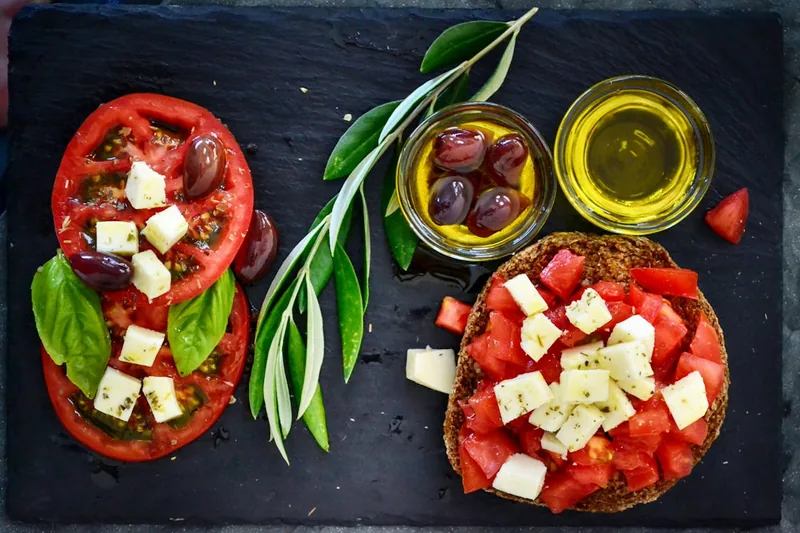
We live in the heart of the Costa Brava, surrounded by one of the healthiest food traditions on the planet. The Mediterranean diet — recognised by UNESCO as Intangible Cultural Heritage — is not simply a way of eating: it is a lifestyle that has been scientifically proven to reduce the risk of cardiovascular disease, diabetes, cancer and cognitive decline.
From the Dietetics and Nutrition service at Clínica Eupnea in Palamós, we want to remind you why this local way of eating is, according to science, the healthiest in the world.
In this article
Key takeaways
- UNESCO Intangible Cultural Heritage since 2010
- Reduces cardiovascular risk by 30% (PREDIMED study)
- Extra virgin olive oil is the cornerstone: the gold standard of healthy fats
- Rich in antioxidants, fibre, omega-3 and protective polyphenols
- Compatible with vegetarianism and adaptable to all ages
- Not restrictive: it focuses on food quality, not on prohibitions
The pillars of the Mediterranean diet
The Mediterranean diet is built on the foods our land and sea provide:
- Extra virgin olive oil (EVOO): the principal cooking fat. Rich in oleic acid and polyphenols with anti-inflammatory and antioxidant properties
- Vegetables: at every meal — a variety of colours and textures. Tomatoes, peppers, aubergines, courgettes, spinach…
- Fruit: 3–4 pieces a day, preferably seasonal
- Pulses: 3–4 times a week. Lentils, chickpeas, beans — a source of plant protein and fibre
- Whole grains: wholemeal bread, brown rice, wholewheat pasta — the energy base
- Fish and seafood: 2–3 times a week, especially oily fish (sardines, mackerel, anchovies) rich in omega-3
- Nuts: a daily handful of almonds, walnuts or hazelnuts — heart-healthy fats
- Fermented dairy: yoghurt and cheese in moderation
And what to limit: red meat (1–2 times a month), processed meat, added sugars and ultra-processed foods.
Cardiovascular benefits
The PREDIMED study (Prevention with Mediterranean Diet), involving over 7,400 participants, demonstrated that a Mediterranean diet supplemented with EVOO or nuts reduces the risk of major cardiovascular events by 30% (heart attack, stroke).
- Reduced LDL cholesterol ('bad' cholesterol) and increased HDL ('good' cholesterol)
- Anti-inflammatory effect: polyphenols from EVOO and vegetables reduce chronic inflammation
- Blood pressure control: potassium from vegetables and fruit balances sodium
- Improved endothelial function: blood vessels work better
- Anti-thrombotic effect: omega-3 from fish reduces the risk of blood clots
The PREDIMED study in figures
7,447 participants over an average of 4.8 years. Conclusion: a Mediterranean diet with EVOO reduced major cardiovascular events by 30%. It is the largest nutritional clinical trial in history and changed cardiovascular prevention guidelines worldwide.
Mediterranean diet and cancer prevention
Multiple epidemiological studies have linked adherence to the Mediterranean diet with a reduced risk of various types of cancer:
- Colorectal cancer: fibre from pulses, whole grains and vegetables promotes healthy intestinal transit
- Breast cancer: the PREDIMED study showed a 62% reduction in women following the Mediterranean diet with EVOO
- Stomach cancer: antioxidants from vegetables, fruit and EVOO protect the gastric mucosa
- Prostate cancer: lycopene from tomatoes and omega-3 from fish have a protective effect
Brain and memory protection
An increasingly studied benefit of the Mediterranean diet is its ability to protect the brain from cognitive decline:
- Memory and cognitive function: people with high adherence show better results in memory and attention tests
- Dementia risk: various studies link the Mediterranean diet with a 30–35% reduction in Alzheimer's risk
- Depression: the SMILES study showed that dietary improvement can reduce depressive symptoms
- Neuroinflammation: omega-3 and polyphenols reduce neuroinflammation
A sample weekly Mediterranean menu
- Monday: Tomato and mozzarella salad with EVOO · Lentil stew with vegetables · Seasonal fruit
- Tuesday: Courgette soup · Oven-baked sardines with potatoes · Yoghurt with walnuts
- Wednesday: Gazpacho · Chickpeas with spinach · Baked apple with cinnamon
- Thursday: Mixed salad · Roast chicken with seasonal vegetables · Fruit
- Friday: Grilled vegetables · Fried anchovies with salad · Seasonal fruit
- Saturday: Bread with tomato and ham · Seafood rice · Fruit or yoghurt
- Sunday: Roast vegetable medley · Cod with ratatouille · Seasonal fruit
Frequently asked questions
The key pillars are: extra virgin olive oil as the main fat; abundant consumption of fruit, vegetables, pulses and whole grains; fish and seafood 2–3 times a week; daily nuts; moderate consumption of fermented dairy (yoghurt, cheese); limited red meat; and occasional moderate red wine with meals.
The Mediterranean diet is not a 'weight-loss diet' but a healthy eating pattern. However, several studies have shown it is effective for weight loss and long-term weight maintenance, as it is satisfying, rich in fibre and healthy fats, and easy to sustain because it is not restrictive. A dietitian-nutritionist can tailor it to your goals.
Yes, the Mediterranean diet is highly compatible with vegetarianism. In fact, its foundation is plant-based: vegetables, fruit, pulses, whole grains, nuts and olive oil. Pulses (lentils, chickpeas, beans) provide quality plant protein. A dietitian can help ensure you obtain all necessary nutrients.
Although the principles of the Mediterranean diet are straightforward, a dietitian-nutritionist can help you adapt it to your specific needs (allergies, intolerances, weight goals, conditions such as diabetes or hypertension), plan weekly menus and teach you how to read nutritional labels.
Want to improve your diet?
The nutrition service at Clínica Eupnea can help you adopt the Mediterranean diet in a personalised way.
Make an Appointment