
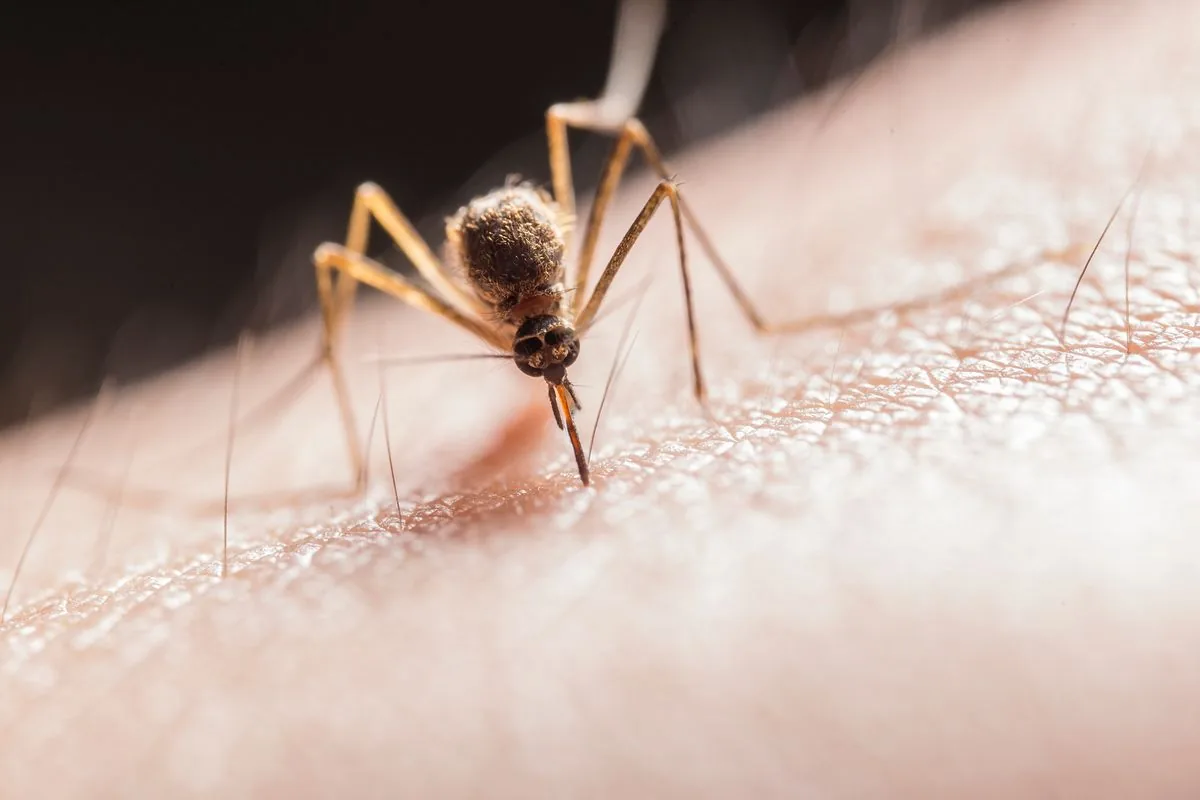
Dinner in the garden on an August night comes at a price. The light fades, you light the candle and, without warning, something starts circling your ankles. Next morning you wake up with three lumps that itch like mad. Or maybe you trod on a wasp barefoot in the sand and your foot swelled up within ten minutes. Insect bites and stings are the soundtrack of summer on the Costa Brava and, luckily, they almost always come to nothing more than a passing nuisance.
The hard part is telling when a bite is only that, an annoying local reaction, and when it hides an allergic reaction that really does need attention. At Clínica Eupnea, in Palamós (Baix Empordà), the allergology clinic sees people every summer who are frightened by dramatic swelling that carries no danger at all and, on the other hand, people who had a genuinely serious reaction and thought nothing of it. Let's look at how to recognise each case, what you can do at home and when it is worth taking seriously.
In this article
- What happens in the body when an insect bites you?
- Normal reaction, large local reaction and allergic reaction
- Which insects bite and sting on the Costa Brava in summer
- Anaphylaxis: the emergency you need to recognise
- How to treat a bite or sting at home
- How to prevent insect bites and stings
- When to see an allergist
- Frequently asked questions
Key takeaways
- Most insect bites and stings only cause a local reaction: a lump, redness and itching that clear in hours or a few days
- Heavy swelling of the area (a large local reaction) is uncomfortable but is not a dangerous allergy
- A severe allergic reaction (anaphylaxis) affects the whole body: hives, swelling of the lips or throat, difficulty breathing and dizziness → 112
- At home: remove the sting, apply cold, take an antihistamine if needed and do not scratch
- Prevention: repellent, light and covering clothing, and avoiding perfumes and sweet drinks outdoors
- See an allergist if you have had a generalised reaction: there are tests and immunotherapy against the venom
What happens in the body when an insect bites you?
Not all insect bites and stings are the same, and understanding that helps you keep a cool head. Mosquitoes, in fact, do not sting: they feed. When a female sinks in her proboscis, she injects a little saliva containing anticoagulants so that the blood does not clot while she drinks. Your body detects these foreign proteins and releases histamine, and it is the histamine, not the insect, that produces the lump, the redness and the characteristic itching.
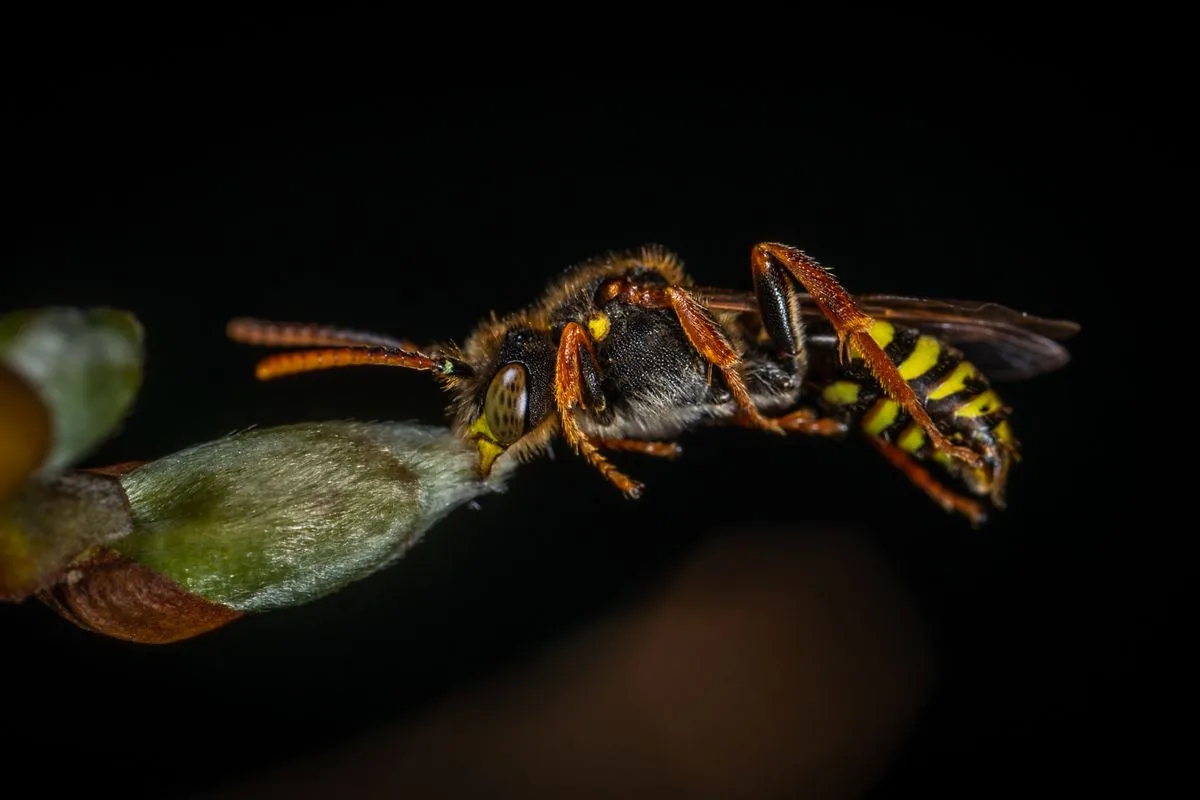
Wasps and bees are playing a different game: they are not feeding on you, they are defending themselves. They drive in a sting and inject venom, which is why their sting hurts at once, like a burn, rather than the dull itch of a mosquito. The amount of venom is small and, in most people, causes nothing more than pain and local swelling that fades in a day or two. The trouble begins when some people's bodies react to that venom out of all proportion. This is where allergy starts, and it is something quite different from the normal reaction we all have.
Normal reaction, large local reaction and allergic reaction
This is the part worth reading to the end. A small lump, half your arm swelling up and struggling to breathe are not the same thing, even when the same bite caused all three. Telling them apart is what decides whether you can deal with it at home or need to call a doctor.
The normal local reaction
This is what happens to almost everyone. A red lump, ringed by a little swelling, that itches or stings and fades over a few hours or, at most, a couple of days. It has no medical importance and heals on its own. The size depends on the insect and on your skin, but it stays around the spot where you were bitten.
The large local reaction
Some people develop what doctors call a large local reaction: the area swells far more than seems reasonable, sometimes the whole forearm or half a foot, and turns red, hot and firm, and it can last several days. It is alarming to look at, especially on the face, but it is not a dangerous allergy and does not usually progress. It is managed with cold, antihistamines and, if the doctor advises it, a corticosteroid. What sets it apart from an infection is timing: the reaction appears straight away, whereas an infected bite gets worse after two or three days and tends to ooze pus.
The generalised allergic reaction
Here everything changes. In a genuine allergic reaction, the body responds not just around the bite but everywhere. Weals or hives (urticaria) can appear on skin far from where you were stung, along with itching on the palms of the hands or the scalp, swelling of the lips and eyelids and, in severe cases, difficulty breathing and a feeling of faintness. It is the same logic by which the body can react to triggers as varied as the cold, which we cover in our article on cold allergy: the immune system fires when it should not. This generalised response is the mark of a true insect sting allergy, and it should set off every alarm, because it can progress to anaphylaxis. It happens almost always with wasp and bee venom, and very rarely with mosquitoes.
Which insects bite and sting on the Costa Brava in summer
In our area, between the sea, the wetlands and dinners eaten outdoors, the list of insects that visit us in summer is fairly predictable:
- Mosquitoes, including the tiger mosquito, ever more common along the Girona coast. They bite mostly at dawn and dusk and leave lumps that itch a great deal, but they are rarely dangerous.
- Wasps and bees, responsible for almost every serious allergic reaction. Wasps come to food and sweet drinks; bees sting when they feel trapped.
- Horseflies, those big flies of field and beach whose bite is painful and bleeds a little.
- Ants and other small creatures you can meet in the sand or on the grass.
- Ticks, which neither bite nor sting as such but latch onto the skin; what matters is removing them early and whole.
Anaphylaxis: the emergency you need to recognise
Anaphylaxis is the most severe form of allergic reaction and it is a medical emergency. It can set in within minutes of the sting and affects several organs at once. The signs you cannot ignore are:
- Difficulty breathing, wheezing in the chest or a feeling that your throat is closing.
- Swelling of the tongue, the lips or the throat, and a hoarse voice.
- Hives spreading over the whole body, with intense itching.
- Dizziness, a racing pulse, cold sweat or a feeling of fainting.
- Nausea, vomiting or sudden stomach pain.
Faced with one or more of these signs, call 112 without waiting. Anyone who already knows they are allergic and carries an adrenaline auto-injector should use it on the thigh at once: adrenaline is the only treatment that stops anaphylaxis, and antihistamines cannot do the job. Even after using it you still need to go to hospital, because the reaction can flare up again a few hours later.
How to treat a bite or sting at home
The vast majority of insect bites and stings clear up with four simple steps:
- Remove the sting if a bee got you. Do it straight away, scraping it out with a fingernail or the edge of a card; do not grab it with tweezers or your fingers, as you would squeeze the little venom sac and inject more.
- Wash the area with soap and water and apply cold (an ice pack wrapped in a cloth) in ten-minute spells. The cold brings the swelling down and numbs the itch.
- If it itches badly, an oral antihistamine or a mild corticosteroid cream will help. The pharmacy "after-bite" products ease it too.
- Do not scratch. It is the hardest advice to follow and the most important: scratching breaks the skin and opens the door to infection, above all in children.
One habit many people carry from childhood: the old trick of dabbing on ammonia, vinegar or saliva does little, and rubbing the spot with a coin does even less. Cold and time are what do the work.
A bee's sting keeps pumping venom: ten seconds count
When a bee stings, it leaves the sting embedded with a small venom sac that keeps pumping until you empty it. That is why the seconds matter: the longer you leave it in, the more venom gets through. Scrape it out sideways with a fingernail or the edge of a card as soon as you spot it, without pinching it. Wasps, by contrast, leave no sting behind and can sting several times in a row.
How to prevent insect bites and stings
There is no way to make yourself invisible to mosquitoes, but a few habits go a long way towards cutting down insect bites and stings through the warm months:
- Use a repellent with DEET or icaridin on exposed skin and reapply it as often as the label indicates.
- At dawn and dusk, when mosquitoes are at their busiest, cover up with light-coloured clothing, long sleeves and long trousers whenever you can.
- Avoid sweet perfumes and, when you eat outdoors, cover sugary drinks: they draw wasps towards the can or the glass.
- At home, fit insect screens on the windows and empty any container of standing water in the garden or on the terrace, which is where the tiger mosquito breeds.
- If you walk through woodland or tall grass, wear long clothing and check your skin when you get back to rule out ticks.
These precautions count double for children and for anyone who has already had a strong reaction: in those cases, avoiding the bite is half the battle.
When to see an allergist
Most bites need no doctor at all. There is, however, one situation that does warrant it and that people often overlook: having had a generalised reaction after a wasp or bee sting, whether hives all over the body, swelling far from the bite or any symptom of anaphylaxis. If it has happened once, the risk that it recurs and is worse next time is real, and it is worth investigating.
The allergist in Palamós can confirm an insect sting allergy with skin tests and a blood test and, where needed, recommend venom immunotherapy: a course of injections that teaches the body to tolerate the sting and dramatically lowers the risk of a severe reaction. It is the same principle we explain in the article on the allergy test, and it fits within the broader approach you will find in our guide to allergies: origin and impact. You should also seek advice if your bites often become infected, if you get very large local reactions that hold you back or, quite simply, if the fear of a sting is shaping your summer.
If you would like to check this information against independent medical sources, you can read the MedlinePlus page (US National Library of Medicine), the guide from the UK National Health Service (NHS) or the patient information from the American Academy of Allergy, Asthma & Immunology (AAAAI).
Frequently asked questions
The clue is where the symptoms appear. A normal reaction stays around the bite: a lump, redness and itching that improve within hours or a few days. A true allergic reaction goes beyond the spot where you were bitten and affects the whole body, with hives or weals across the skin, itching on the hands, swelling of the lips or eyelids and, in severe cases, difficulty breathing or dizziness. Heavy swelling of the bite itself does not on its own mean you are allergic; what raises the alarm is a part of the body far from the bite reacting.
If it was a bee, remove the sting as soon as you can, scraping it out sideways with a fingernail or a card, without pinching it so that it injects no more venom; wasps leave none behind. Then wash the area with soap and water and apply cold at intervals to bring down the swelling and the pain. If it itches a lot, an oral antihistamine helps. Keep an eye on the area over the following hours and, if symptoms appear away from the bite such as hives, facial swelling or difficulty breathing, call 112, because it may be an allergic reaction.
Because the swelling is not caused by the mosquito but by your own immune response to its saliva. Some people, above all children and anyone not used to a particular kind of mosquito, get a very dramatic local reaction, with a large, firm, hot lump that can last for days. It looks bad but it is not dangerous, nor does it mean you are allergic to wasp and bee venom, which is a different matter. It is managed with cold and antihistamines, and over time the reaction tends to soften.
When signs of anaphylaxis appear: difficulty breathing, wheezing, a feeling that the throat is closing, swelling of the tongue or lips, hives all over the body, dizziness or fainting. In that case you must call 112 immediately and, if the person has an adrenaline auto-injector, it should be used without waiting. You should also go to the emergency department if the sting is inside the mouth or throat, if there are many stings at once, or if a bite becomes infected over the following days, with pus, fever and spreading redness.
Not entirely, but they can be greatly reduced. Repellents with DEET or icaridin are the most effective on exposed skin, and they should be reapplied according to the hours stated on the packaging. At dawn and dusk, when mosquitoes bite the most, it helps to cover up with light, long clothing. Outdoors, cover sweet drinks and avoid strong perfumes so as not to attract wasps, and at home fit insect screens and empty any containers of standing water, which is where the tiger mosquito breeds.
Above all if you have had a generalised reaction after a wasp or bee sting, even a mild one: hives all over the body, swelling far from the bite or any symptom of anaphylaxis. In those cases the allergist can confirm with tests whether you are allergic to the venom and consider immunotherapy, a course of injections that greatly lowers the risk of a severe reaction in the future. It also makes sense to seek advice if your bites often become infected or if you get local reactions so large that they affect your daily life.
Have you had a strong reaction to a bite or sting?
The allergology team at Clínica Eupnea in Palamós investigates reactions to insect venom, carries out allergy testing and considers immunotherapy so you can enjoy the summer again without fear.
Book an Appointment