
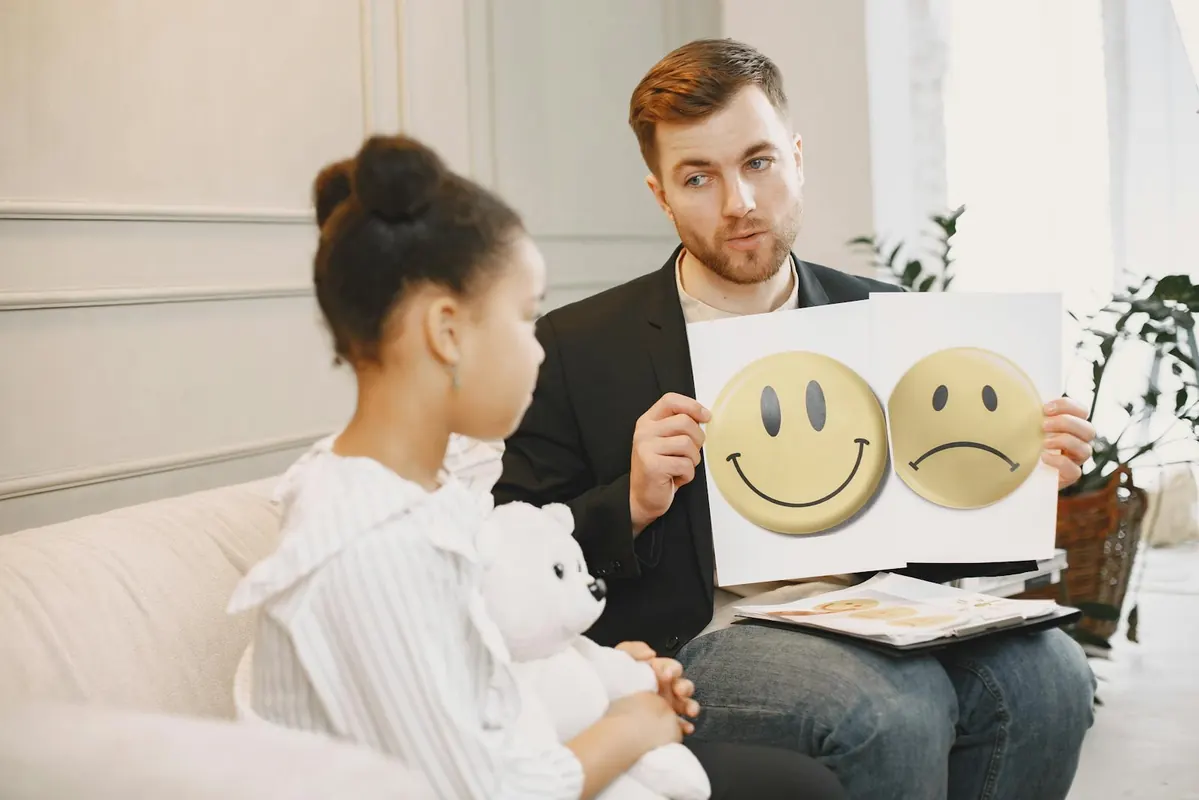
Child psychology deals with the emotional, cognitive and social development of children and adolescents. Caring for mental health from childhood is an investment in future well-being. Early detection of difficulties — anxiety, ADHD, learning issues or significant emotional changes — enables more effective intervention and fewer long-term complications.
At Clínica Eupnea, in Palamós, our child psychologists work with the child and the family in a trustful environment, using validated techniques adapted to each age.
In this article
Key takeaways
- Children's mental health is as important as physical health
- Early detection improves recovery
- Common problems: anxiety, ADHD, behavioural issues, learning difficulties
- Therapy adapted to age: play, stories, art, CBT
- The family is essential to the therapeutic process
Emotional development by age
- 0-3 years: attachment, basic emotional regulation, first fears (separation, loud noises)
- 3-6 years: identification of emotions, symbolic play, emotional language development, specific fears (darkness, monsters)
- 6-12 years: self-esteem, social skills, peer comparison, school performance anxiety
- 12-18 years: identity, self-concept, relationships, social media exposure, possible onset of mood or conduct disorders
Warning signs by age
- Young children (3-6): developmental regression (loss of bladder control), persistent night terrors, marked aggressiveness, mutism
- School-age (6-12): drop in performance, isolation, school anxiety, somatic complaints (stomach ache, headache), sleep problems
- Adolescents: persistent sadness, self-harm, sudden weight changes, substance use, suicidal ideation
None of these signs is diagnostic by itself, but if sustained more than 2-4 weeks, consultation is warranted.
Most common psychological problems
- Anxiety disorders: separation anxiety, generalised anxiety, specific phobias
- ADHD: attention deficit with or without hyperactivity
- Learning disorders: dyslexia, dyscalculia, dysgraphia
- Autism spectrum disorders (ASD)
- Childhood depression: often with different symptoms from adults (irritability instead of sadness)
- Conduct disorders
- Eating disorders (especially from age 9-10)
- Bullying or post-traumatic stress
- Difficulties from separation, grief or life changes
When to see the child psychologist
Consider booking when:
- Emotional or behavioural changes last more than 4 weeks
- School performance drops
- The child expresses intense fears or sadness
- Persistent social isolation
- Self-harm or suicidal ideation (urgent)
- Persistent eating or sleep changes
- Significant family conflict or stressful events (separation, grief, illness)
What child therapy looks like
Therapy uses age-adapted techniques:
- Play therapy: for children under 8, using play as natural language
- Cognitive-behavioural therapy (CBT): from 7-8 years onward
- Family therapy: involves the whole family, especially useful in behavioural or relational issues
- Adapted mindfulness: for emotional regulation
- Pediatric EMDR: for traumatic events
The family's role
The family is not just a companion: it is an active part of the process. Parents learn to understand what the child is experiencing, to communicate better, to set limits with affection, and to regulate their own emotions to avoid passing on anxiety. This family work multiplies the effectiveness of individual therapy.
⚠️ Seek urgent help if...
- Self-harm or suicidal ideation
- Extreme aggression toward self or others
- Sudden weight loss or severe food restriction
- Total isolation or persistent mutism
- Substance use
Does your child need psychological help?
Child psychology at Clínica Eupnea Palamós: evaluation and therapy adapted to each age with family support.
Book Appointment