

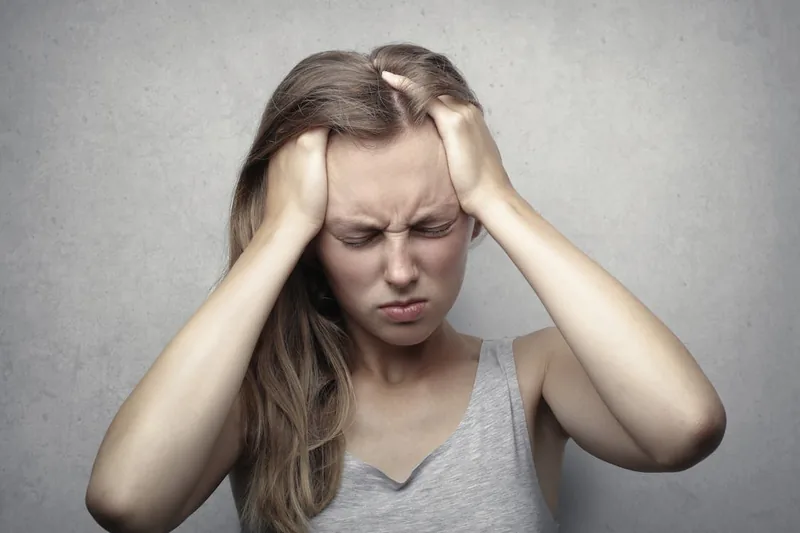
Feeling anxious is normal — it is the body's natural response to danger or uncertainty. But when anxiety becomes disproportionate, constant and limits your daily life, it stops being an adaptive emotion and becomes a disorder that requires treatment.
At Clínica Eupnea in Palamós, the psychology service provides specialised treatment for anxiety and chronic stress using evidence-based therapies.
In this article
Key takeaways
- Anxiety is normal; it becomes a disorder when disproportionate and limiting
- Anxiety disorders are the most common mental health conditions (14% of the population)
- Symptoms: tachycardia, chest tightness, catastrophic thoughts, insomnia
- Cognitive-behavioural therapy (CBT) is the first-line treatment
- Mindfulness and EMDR are complementary therapies with proven evidence
- Asking for help is a sign of strength, not weakness
Symptoms of pathological anxiety
Pathological anxiety manifests at three levels:
Physical symptoms
- Tachycardia and palpitations — a feeling that your heart is pounding out of your chest
- Chest tightness — many patients believe they are having a heart attack
- Difficulty breathing — a sensation of choking or breathlessness
- Muscle tension — especially in the neck, jaw and shoulders
- Digestive problems — nausea, stomach pain, diarrhoea
- Dizziness and unsteadiness
Cognitive symptoms
- Excessive worry — constantly anticipating the worst
- Catastrophic thoughts — 'I'm going to lose control', 'something terrible is happening'
- Difficulty concentrating — a blank or racing mind
- Hypervigilance — always on alert, as if expecting danger
Behavioural symptoms
- Avoidance — stopping activities out of fear (driving, travelling, socialising)
- Insomnia — difficulty falling asleep or waking up in the early hours
- Irritability — snapping at things that didn't bother you before
Chronic stress: the silent enemy
Chronic stress is prolonged exposure to stressful situations that exceed our coping resources. Unlike short-term stress (which is adaptive), chronic stress can seriously damage health:
- Cardiovascular system: raised blood pressure and increased risk of heart attack
- Immune system: greater susceptibility to infections and illness
- Digestive system: irritable bowel syndrome, ulcers
- Mental health: depression, anxiety, burnout
- Skin: flare-ups of dermatitis, psoriasis, alopecia
Anxiety attack or heart problem?
A panic attack can mimic a heart attack: chest pain, difficulty breathing, intense tachycardia. If it is your first episode, go to A&E to rule out a cardiac cause. Once ruled out, a psychologist can teach you techniques to manage future episodes and reduce their frequency.
Therapies that work
Science has demonstrated the effectiveness of several therapies for anxiety:
Cognitive-behavioural therapy (CBT)
This is the first-line treatment for anxiety disorders. It focuses on identifying and modifying distorted thoughts and avoidance behaviours that maintain anxiety. A course typically involves 12 to 20 sessions.
Mindfulness and relaxation
Mindfulness teaches you to observe your thoughts without judging or reacting to them. Multiple studies have demonstrated its effectiveness in reducing anxiety, stress and rumination. Techniques such as diaphragmatic breathing and progressive muscle relaxation are practical tools patients can use daily.
EMDR (Eye Movement Desensitisation and Reprocessing)
Particularly effective when anxiety is linked to traumatic experiences. Through bilateral stimulation, EMDR helps the brain reprocess traumatic memories that fuel present-day anxiety.
When to seek help
You should book an appointment with a psychologist if:
- Anxiety limits your daily life (work, relationships, leisure)
- Symptoms persist for more than 2–3 weeks
- You have recurrent panic attacks
- You have started avoiding situations out of fear
- You cannot sleep well on a regular basis
- You notice that stress is affecting your physical health
- You feel that you simply can't cope any more
Asking for help is an act of courage, not weakness. At Clínica Eupnea, the psychology service offers a confidential, professional space where you will find the tools you need.
Frequently asked questions
The duration depends on each person and the severity of the condition. Cognitive-behavioural therapy usually produces significant results in 12–20 sessions (3–5 months). Many patients notice improvement from the first few sessions. In some cases, shorter therapy may suffice; in others, longer follow-up may be beneficial.
Yes, many anxiety disorders can be treated effectively with psychotherapy alone, particularly cognitive-behavioural therapy. However, in cases of severe anxiety, a combination of psychotherapy and medication (prescribed by a doctor) may be the most effective option. Treatment should always be tailored to the individual.
Absolutely. Anxiety activates the sympathetic nervous system (the 'fight or flight' response), producing very real physical symptoms: tachycardia, muscle tension, digestive issues, dizziness, sweating. These symptoms are unpleasant but not dangerous. Learning to recognise them reduces their impact.
Go to A&E if: it is your first intense panic attack (to rule out a cardiac cause), you have thoughts of self-harm, the physical symptoms are very intense and do not subside, or you feel you are losing control completely. Once organic causes have been ruled out, psychological follow-up is the path to managing future episodes.
Need a psychologist in Palamós?
The psychology service at Clínica Eupnea offers professional, confidential and personalised care.
Make an Appointment