
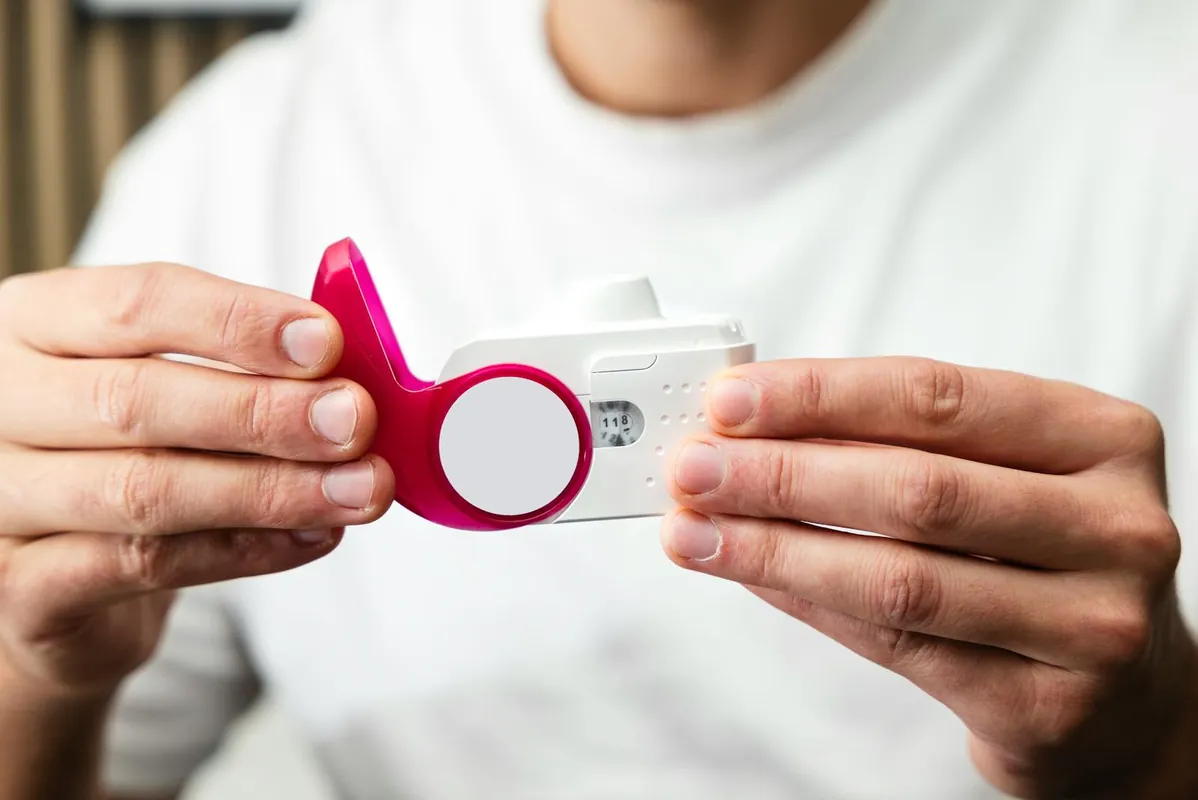
Spirometry is the reference test to evaluate lung function. It is simple, quick (15-20 minutes) and provides key information to detect and follow up diseases such as asthma, COPD, pulmonary fibrosis or chronic bronchitis. At Clínica Eupnea, in Palamós, we perform it with up-to-date technology and a pneumologist interprets the results the same day.
In this article
Key takeaways
- Simple, non-invasive test in 15-20 minutes
- Detects COPD, asthma, and other obstructive or restrictive disorders
- Essential for smoker follow-up and respiratory therapy monitoring
- Recommended for over-40s with respiratory symptoms
- Results interpreted by pneumologist the same day
What is spirometry?
It's a lung function test that measures the volume of air you can inhale and exhale, and the speed at which you do it. It's done with a device called a spirometer, into which you breathe through a mouthpiece after fully filling your lungs.
Why it's done
- Diagnosis of COPD (FEV1/FVC <0.70 post-bronchodilator)
- Diagnosis and follow-up of asthma
- Evaluation of unexplained dyspnea
- Early detection in smokers or ex-smokers
- Pre-surgical assessment
- Follow-up of known lung disease (fibrosis, bronchiectasis)
- Occupational or sports fitness in certain professions
How the test works
- Seated comfortably, with nose clip
- A first resting test (simple spirometry)
- Deep inhalation and forced exhalation for 6 seconds (minimum 3 valid manoeuvres)
- Repeated 15-20 minutes after inhaling a bronchodilator (post-bronchodilator test)
- Total: 15-20 minutes. No pain, only mild transient dizziness possible
What it measures: FEV1, FVC, ratio
- FVC (forced vital capacity): all air you can expel after maximum inhalation
- FEV1: air expelled in the first second
- FEV1/FVC: ratio. <0.70 post-bronchodilator defines obstructive pattern (COPD)
- FEF25-75%: mid-flow during expiration
- PEF: peak expiratory flow
Interpreting results
- Obstructive pattern: low FEV1/FVC → asthma, COPD, bronchiectasis
- Restrictive pattern: low FVC with normal ratio → pulmonary fibrosis, severe obesity, neuromuscular disease
- Mixed pattern: obstructive + restrictive elements
- Bronchodilator response: ≥12% and ≥200 mL improvement in FEV1 → suggestive of asthma
How to prepare
- Don't smoke for 24 h before
- Stop bronchodilators if your doctor instructs (4-12 h depending on drug)
- Comfortable clothing
- Avoid heavy meals and fizzy drinks just before
- If you have an active respiratory infection, postpone the test until recovered
Important
A normal spirometry doesn't rule out all respiratory disease. With persistent symptoms, the pneumologist may request additional tests: exhaled nitric oxide, blood gases, CT, exercise test, or bronchial provocation test.
Want to know your lung status?
Book a spirometry at Clínica Eupnea Palamós and get an accurate lung function assessment with a specialist report.
Book Appointment