

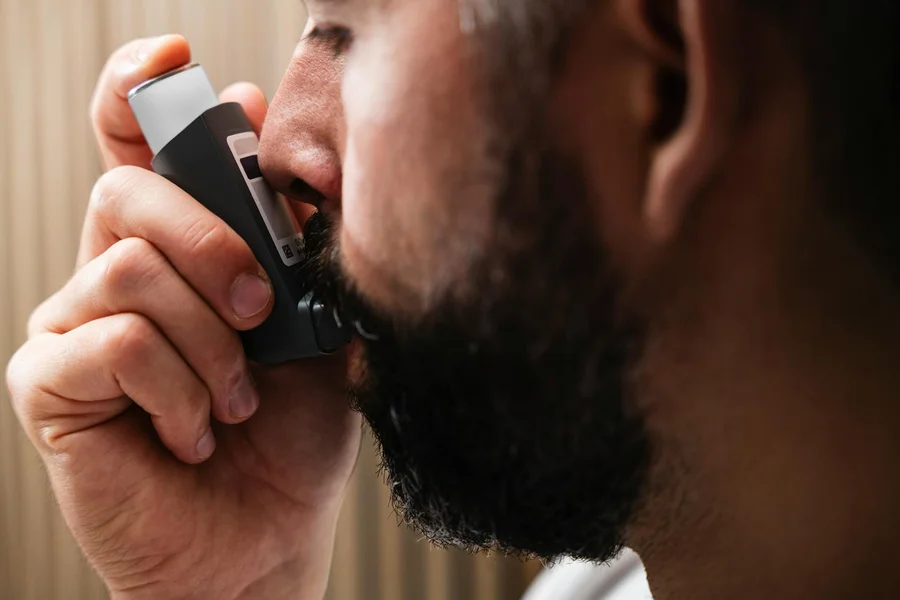
Respiratory physiotherapy, medically known as pulmonary rehabilitation, is a condition that affects approximately pulmonary rehabilitation improves quality of life in 70% of COPD patients. It is mainly characterised by improved breathing capacity and reduced breathlessness and fatigue, and can have a significant impact on the quality of life of those who suffer from it. Early diagnosis and appropriate treatment are essential to control symptoms and prevent long-term complications.
This condition is mainly caused by chronic respiratory diseases (COPD, asthma), although other factors such as thoracic or abdominal surgery also contribute. At Clínica Eupnea in Palamós, our team of respiratory physiotherapists have the experience and technology needed to provide comprehensive, personalised care for each patient, from diagnosis through to follow-up.
In this article
Key takeaways
- Improved breathing capacity
- Reduced breathlessness and fatigue
- Facilitated expectoration
- Bronchial drainage techniques
- Breathing re-education exercises
- Pulmonary rehabilitation improves quality of life in 70% of COPD patients
What is respiratory physiotherapy?
Respiratory physiotherapy, medically known as pulmonary rehabilitation, is a condition that affects approximately pulmonary rehabilitation improves quality of life in 70% of COPD patients. It is mainly characterised by improved breathing capacity and reduced breathlessness and fatigue, and can have a significant impact on the quality of life of those who suffer from it. Early diagnosis and appropriate treatment are essential to control symptoms and prevent long-term complications.
This condition is mainly caused by chronic respiratory diseases (COPD, asthma), although other factors such as thoracic or abdominal surgery also contribute. At Clínica Eupnea in Palamós, our team of respiratory physiotherapists have the experience and technology needed to provide comprehensive, personalised care for each patient, from diagnosis through to follow-up.
Main indications
The main causes include chronic respiratory diseases (COPD, asthma), thoracic or abdominal surgery and neuromuscular diseases. Recurrent respiratory infections also plays an important role in the development of this condition. Understanding the risk factors enables better prevention and earlier diagnosis.
Various scientific studies have shown that the interaction between genetic and environmental factors is key to the onset of respiratory physiotherapy. Additionally, certain lifestyle habits can increase or reduce the risk of developing this condition. Your respiratory physiotherapist can assess your individual risk profile and recommend specific preventive measures.
Techniques and procedures
The most common symptoms include improved breathing capacity, reduced breathlessness and fatigue, facilitated expectoration and, in more advanced cases, prevention of respiratory infections. These symptoms can vary in intensity and frequency depending on each patient, and often worsen without appropriate treatment.
The impact on quality of life can be considerable, affecting both personal and professional aspects. In severe cases, oxygen desaturation during exercise. It is therefore important not to underestimate the symptoms and to consult a respiratory physiotherapist for an accurate diagnosis and a personalised treatment plan.
Proven benefits in Palamós
Diagnosis is based on a comprehensive clinical assessment including spirometry and lung volumes, 6-minute walk test and respiratory muscle strength assessment. Pulse oximetry is essential for establishing an accurate diagnosis and guiding treatment.
At Clínica Eupnea in Palamós, we have the most advanced diagnostic technology to provide fast, reliable results. Our team of respiratory physiotherapists carry out a thorough evaluation to rule out other possible causes and establish the best treatment plan for each patient.
When should you see a specialist?
If you experience improved breathing capacity persistently or recurrently, make an appointment with your respiratory physiotherapist. If you experience oxygen desaturation during exercise, go to accident and emergency immediately.
Our programme at Clínica Eupnea
Treatment includes bronchial drainage techniques, breathing re-education exercises and respiratory muscle training. Aerosol therapy and nebulisation is essential to evaluate treatment response and make necessary adjustments. The goal is to achieve maximum symptom control with minimal side effects.
The most important preventive measures include practising breathing exercises daily, maintaining regular physical activity and avoiding polluted environments. At Clínica Eupnea in Palamós, we offer personalised follow-up programmes to ensure the best long-term results. Book an appointment with our respiratory physiotherapist for a comprehensive assessment.
At Clínica Eupnea in Palamós, our commitment to patient health drives us to offer a comprehensive service, from diagnosis through to personalised follow-up. Our team of professionals uses the most advanced techniques and technologies to ensure the best possible care. If you have any questions or need an assessment, do not hesitate to contact us. We are here to help you take care of your health.
Frequently Asked Questions About respiratory physiotherapy in Palamós
It covers: improved breathing capacity and reduced breathlessness and fatigue. You can book an appointment with your respiratory physiotherapist at Clínica Eupnea Palamós.
The usual tests: spirometry and lung volumes and 6-minute walk test. At Clínica Eupnea we have the technology needed for a fast, accurate diagnosis.
Treatment includes: bronchial drainage techniques. Every case needs an individual assessment: your respiratory physiotherapist at Clínica Eupnea will draw up a personalised plan.
What helps most: practising breathing exercises daily and maintaining regular physical activity. Regular check-ups with your respiratory physiotherapist are the best prevention.