
Lung diseases affect millions of people and are a leading cause of morbidity worldwide. Recognising the 6 main groups of lung pathology helps detect them early and improve outcomes.
In this article
Key takeaways
- COPD and asthma are the most common
- Early detection improves prognosis
- Spirometry is the key screening test
- Quitting smoking is the highest-impact measure
- Vaccination protects against severe pneumonia
1. COPD (chronic obstructive pulmonary disease)
Mainly caused by smoking, it presents with chronic cough, dyspnea and sputum. Spirometry confirms the diagnosis. Treatment includes bronchodilators and pulmonary rehabilitation.
2. Asthma
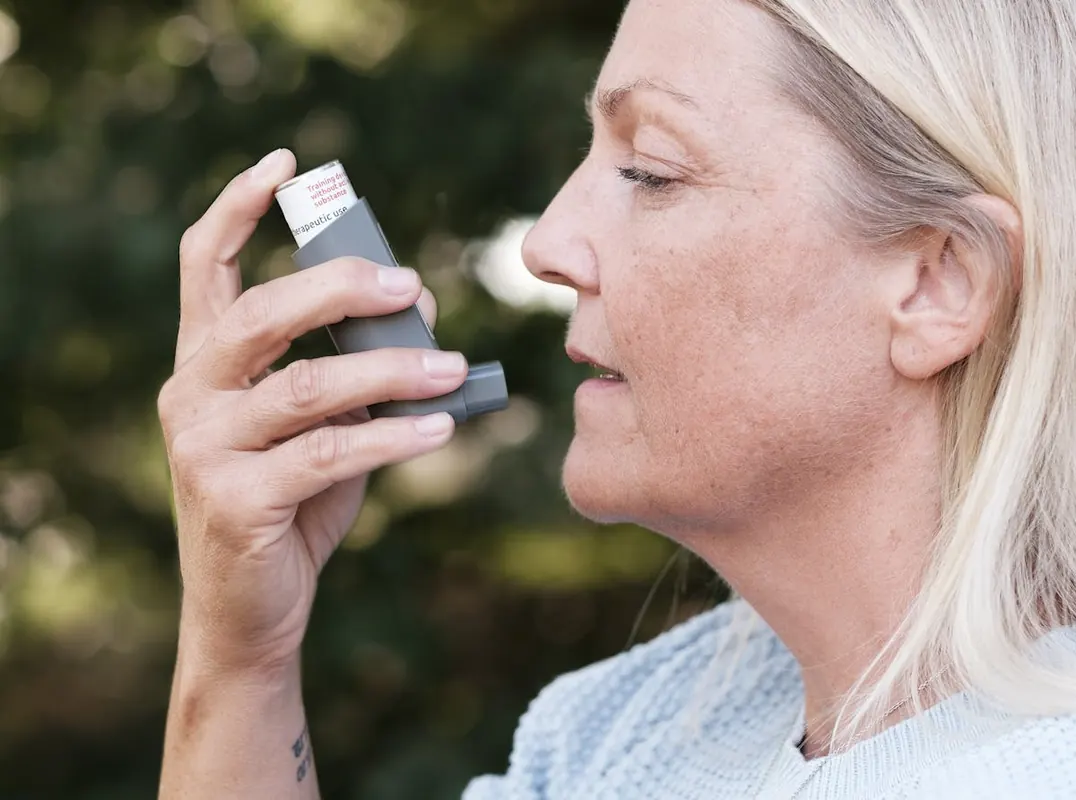
Chronic airway inflammation with bronchospasm episodes. Response to allergens, exercise or irritants. Treated with bronchodilators and inhaled corticosteroids.
3. Pneumonia
Acute lung infection. Can be bacterial, viral or fungal. Presents with fever, productive cough and dyspnea. Treatment depends on the agent.
4. Pulmonary fibrosis
Progressive scarring of lung tissue that limits gas exchange. Manifested by worsening dyspnea. Antifibrotic treatments exist, and transplant in advanced cases.
5. Sleep apnea
Breathing pauses during sleep cause fragmentation, daytime sleepiness and cardiovascular risk. Diagnosed with respiratory polygraphy; CPAP is standard treatment.
6. Lung cancer
The deadliest cancer worldwide, mostly linked to smoking. Early detection with low-dose CT in high-risk populations improves survival.
Respiratory warning symptoms
- New or progressive dyspnea
- Chronic cough (>3 weeks)
- Coughing up blood
- Respiratory chest pain
- Unexplained weight loss
- Persistent hoarseness
Do you have respiratory symptoms?
The pulmonology service at Clínica Eupnea Palamós offers comprehensive diagnosis and treatment of the main respiratory diseases.
Book Appointment