
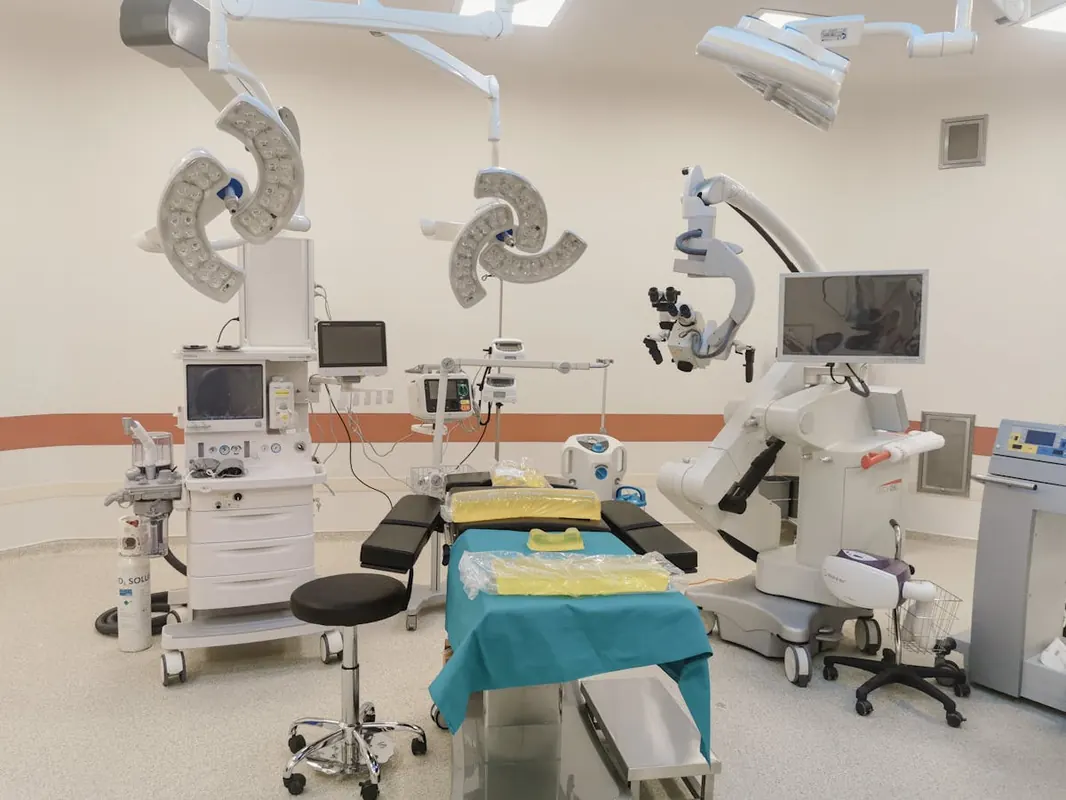
General surgery treats conditions of the digestive system, abdominal wall, breast, thyroid and soft tissues. The first consultation with the surgeon determines if surgery is needed.
In this article
Key takeaways
- Covers digestive and abdominal wall conditions
- Includes outpatient and scheduled surgery
- Initial consultation may avoid surgery
- Complementary tests are often needed
- Pre-op preparation is key to success
What general surgery covers
- Hernias (inguinal, umbilical, hiatal)
- Gallbladder (cholecystectomy)
- Appendix
- Colon and rectum
- Breast (benign and malignant)
- Thyroid
- Soft tissues: lipomas, cysts, fistulae
First consultation
The surgeon takes the history, examines and orders necessary tests (lab, ultrasound, CT, endoscopy). Then offers options: conservative treatment, scheduling surgery or follow-up.
How to prepare for surgery
- Pre-op blood tests and ECG
- 6-8 hours fasting
- Suspend anticoagulants as instructed
- Hygiene and depilation if needed
- Companion for discharge
Post-op and recovery
Depends on the surgery. Laparoscopic allows early discharge and 1-2 weeks recovery. Open surgery needs longer. Always follow indications on diet, mobility and medication.
Common surgery indications
- Recurrent abdominal pain
- Palpable or painful hernia
- Repeated biliary colic
- Thyroid or breast nodule
- Chronic bowel disorders
- Large or painful skin lesions
Do you need a general surgery assessment?
The general-surgery team at Clínica Eupnea Palamós offers comprehensive evaluation and minor outpatient procedures.
Book Appointment